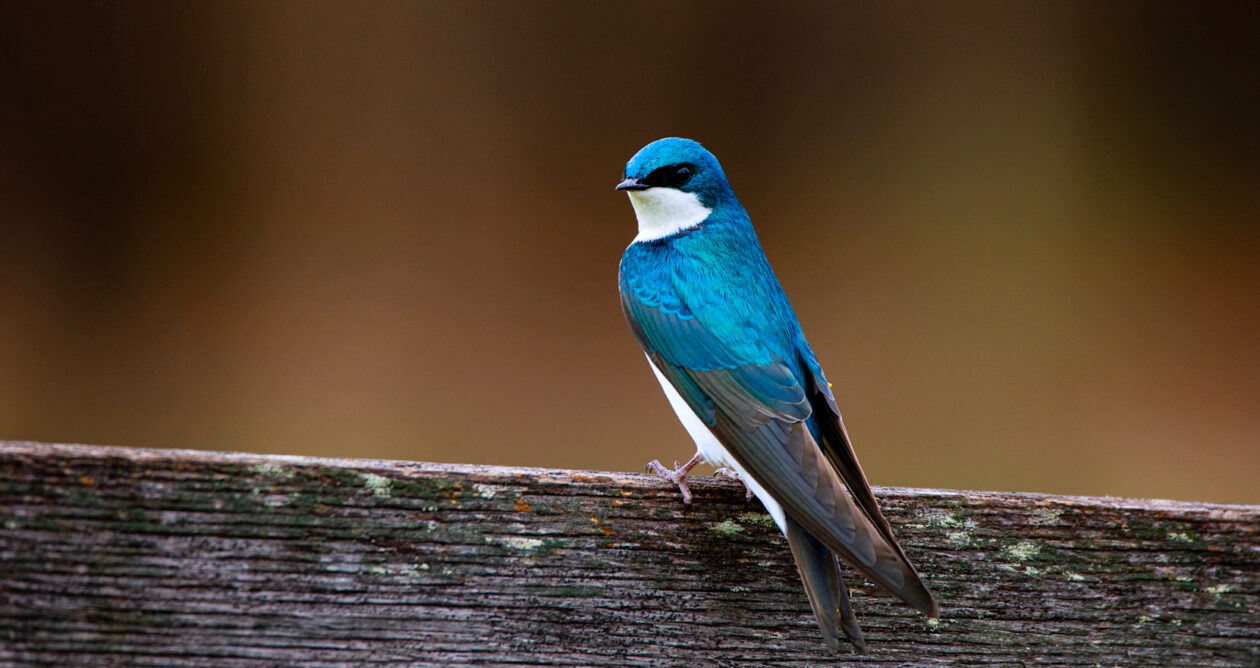
Summer
tanagers are out and about here in N.C. With fall migration just a few
weeks away, they search relentlessly for food in the upper canopy.
These
lovely birds can be seen moving along tree branches scanning for bugs,
but they can also hover in midair to spot insects from hanging leaves or
snap them up in midair.
They’re voracious insect-eaters, and are
known for preying on wasps, bees, and other stinging creatures.
Caterpillars, cicadas, flies, and other insects are also on the menu.
In the summer, small fruits are eaten when available too 🙂
Photo by @sally_siko .
.
Keep your Hummingbird feeders up and filled in September here in N.C.
A female Ruby throated Hummingbird buzzed right by my head after a thunderstorm ended.
Just before hummingbirds migrate, they start to intensely feed in an attempt to gain weight and fat. This behavior called hyperphagia.
These tiny birds will consume up to 50% of their weight in sugar each day from flower nectar and feeders, with insects providing the remainder.
This is why it’s so important to keep your Hummingbird feeders up and filled in September here in N.C.
It’s a good idea to leave your feeders up throughout the autumn as many other species migrating from the north & west will stop here to feed just as the Ruby Throated variety are on the way out.
Photo by @sally_siko
Backporch birding Podcast: Prepping for Hurricanes and fall migration
With hurricane Dorian threatening the coastal and central areas of North Carolina at the beginning of fall migration, I thought that you would appreciate this link to the Backporch Birding Podcast episode # 22 which details what you can do as a birder to get ready for the bad weather ahead.
Listen using the link below..
https://backporchbirdingpodcast.com/show/2019/september/birds-in-migration-sep-1-2019.mp3
Here are the show notes with resource links for the episode..
Prepping for hurricanes
Birds are safe so don’t worry about them, worry about your feeders and backyard instead!
Tips
• Keep feeders filled in the days leading up to the storm so birds can easily find nutritious foods as they instinctively prepare.
• Consider adding extra high-fat treats to the feeders, such as shredded suet, peanut butter, or shelled nuts.
• Just before the storm arrives or you evacuate, store feeders securely in a shed or garage so they do not become wind-blown projectiles.
• Store bird baths, hanging hooks, or other accessories in a secure area so they are not tangled, lost, or damaged by wind or debris.
• Check any bird houses to be sure they are as secure as possible. If necessary, remove and store them unless birds are actively nesting.
• Prune loose branches or any heavy branches overhanging your home before the storm, and consider adding them to a brush pile.
• Use ropes or stakes to secure a brush pile so it will not be blown apart during the storm and expose any sheltering birds.
• Resource
https://www.beyourownbirder.com/2019/08/28/hurricane-preparations-for-backyard-birds/
Types of bird migration
- Seasonal: move between breeding and non-breeding ranges.
- Latitudinal: often determined by geographic features, however, such as mountain ranges and available habitats.
- Longitudinal: where geographic features encourage birds to move longitudinally rather than latitudinally.
- Attitudinal: the move to lower elevations in winter, when harsh weather and deep snowfall may make staying at upper elevations impossible. Birds that use attitudinal migration may not venture far in terms of overall mileage, but just a few hundred feet of elevation can make a great difference in habitats.
- Loop: including two distinctly different routes to and from breeding grounds, often taking advantage of varied resources at different times of the year.
Rufous hummingbirds follow a coastal route in spring on their way from Mexico to Alaska but take advantage of mountain wildflowers on an interior southbound route in autumn. Loop migration is also common with many seabirds and shorebirds as they use seasonal variations in wind patterns to aid their flight. - Nomadic: This movement is less predictable and can be erratic depending on available food and water resources.
- Irruptive: large numbers of birds into unusual areas, most often in winter.
- Dispersal: juvenile birds are forced away from their hatching grounds and must seek out their territories as their parents continue to use the same range.
- Leap Frog: where a northern population will migrate a greater distance to skip
- Reverse: when young birds can become confused or disoriented and instead of migrating along the expected route go in the opposite direction.
- Molt: Some birds migrate only to accommodate their annual molting periods.
- Drift: large numbers of migrating birds have “drifted” away from their typical migration routes, often pushed by storms.
More temporary in nature.
Resources
https://www.thespruce.com/types-of-bird-migration-386055
Be sure to download all of the episodes and visit https://backporchbirdingpodcast.com/ to learn more about Tim and Austin’s adventures in birding!
Live view Map of Bird Migration Across The United States
Here is a link to a Live View Map for migrating birds in the United States from the bright minds at Cornell University Lab of Ornithology.
Click on the image below to view the migration of birds in real time at the Cornell website. This is a great resource for planning your bird watching trip!
Live Migration Map
When should I take down my hummingbird feeder in North Carolina?
With autumn migration right around the corner, the question “When
should I remove my hummingbird feeders?” seems to be floating around
lately.
Some people are concerned that leaving their feeders out will keep the hummingbirds from departing for warmer climates.
There is no reason to worry!
Hummingbirds
tend to head south in early October here in North Carolina and there
are even reports of a few which actually spend the winter on our
southern coastline.
Due to hormonal changes when the days begin to
shorten, neither food supply nor the weather has any effect on their
migratory behavior.
They will move south regardless of wether or not they’ve got easy access to nectar in backyard feeders.
Hummingbirds all have this biological pull, and they’ll need this food to fatten up for the migration ahead.
Just keeping your feeders clean and full is great, and once they’re gone, you’ll know that you helped out!
Photo by @sally_siko .
The face of modern bird conservation: A Great Egret at Jordan Lake
Crouching on a small cliff overlooking the lake, watching for the instant that this Great Egret caught his fish. Not wanting to interfere with his hunt, I kept my distance to avoid spooking him when I took this photo.
During the 19th century, Great Egrets were at the brink of extinction due to an international feather craze. The flowing white breeding plumage of the egrets were highly sought after.
The birds rescue arrived early in the 1900s, when a brand new organization called the National Audubon Society chose the Great Egret as its first species chosen for preservation.
Since then, the Great Egret has made a quite a recovery, and that success is a fitting tribute to the efforts of the Audubon Society who chose the bird as its symbol, a living legacy of modern conservation at its finest.
Photo by @sally_siko
Where to photograph big birds in North Carolina
Standing up on a rock along the shore, I heard a loud croaking noise to my left.
Swinging my lens around, I turned towards the sound and there was this Great Egret gliding over the water.
What a sight!
I gotta say, if your searching for big birds to photograph, Jordan Lake in Apex N.C. is the place to go!
Photo by @sally_siko
An encounter with a Great Egret at Jordan lake
Had a nice trip to the Martha’s Chapel area of Jordan Lake this morning.
One of the highlights of the day was this encounter with a Great Egret who was fishing along the shoreline.
They are one of the largest of the wading birds found here in North Carolina.
Sometimes miss identified with Great White Heron, the comparatively thinner orange bill and dark legs of the Great Egret are useful distinguishing characteristics.
Photo by @sally_siko .
Great Blue Heron encounter at Jordan Dam in Apex, N.C.
Few birds are as majestic on the wing as a Great Blue Heron. These birds are quite a sight in the air as they glide on by.
Great
Blue Herons have a large wingspan and can fly up to 30 mph in a glide.
During flight, they often seen tucking their necks into an “S” shaped
curve like this one seen here.
🌿
The water and land space found
at Jordan Lake Park are both necessary for these interesting birds. They
hunt for fish, amphibians, insects and other small animals in the lake,
and build their nests in trees, bushes or on the ground along the
shoreline.
To hunt, a heron will either stand completely still and
wait patiently for its prey or it will wade into the water to drive its
prey out.
Sometimes, they will even dive straight down into the lake
from the sky to spear the fish swimming right below the surface of the
water.
Photo by @sally_siko
A Northern Parula Warbler spotted at harris Lake Park, New Hill N.C.
While hiking at Harris Lake Park on Friday morning, I spied a female Northern Parula Warbler holding a fat green caterpillar in her beak.
This species is the smallest of eastern wood-warblers. They have a habit of foraging high in tree canopy which therefore makes it a difficult bird to observe from the ground.
I photographed this little beauty as she was gathering food to feed her nearby fledgling.
The Northern Parula arrives in N.C. early in April. They depart at the end of September.
Their breeding range extends across the eastern half of the U.S.
In the winter, the Northern Parula can be found from southern Mexico to as far north as the southern tip of Florida.
What a cool little bird to find in the Triangle 🙂
Photo by @sally_siko