Category Archives: Instagram Birding

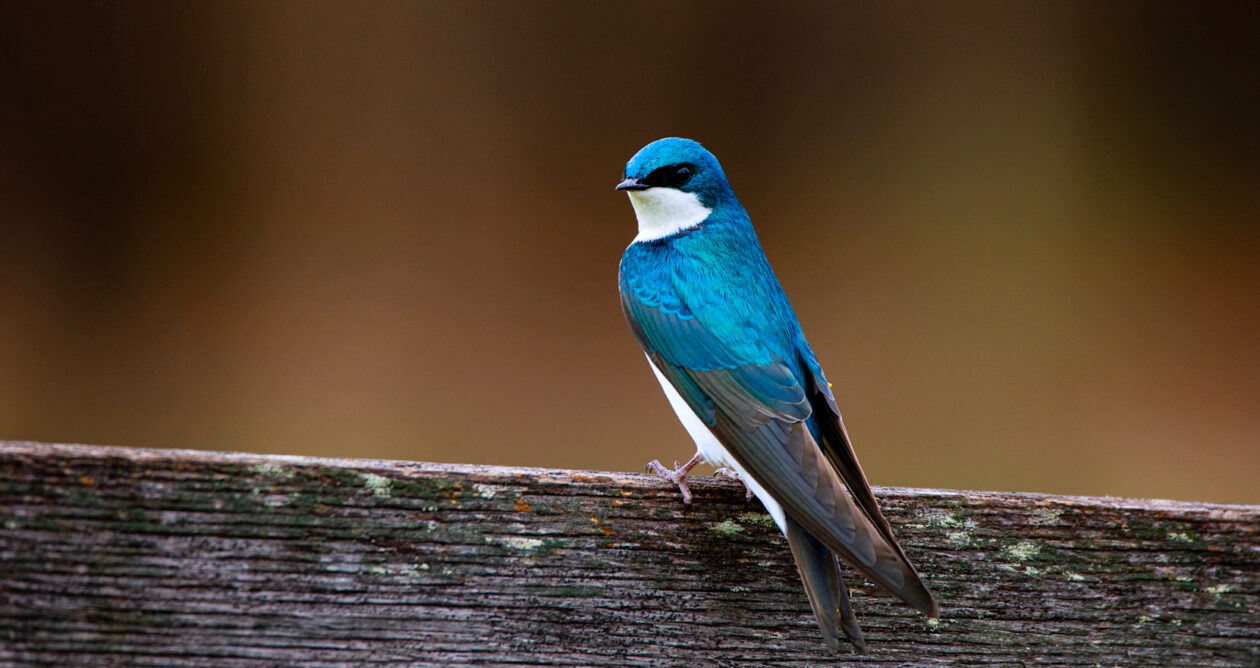
Bird watching in North Carolina with tips and ID information delivered by the Birdwatching NC Instagram feed.

An Indigo Bunting landed on my hand at yates Mill Park in raleigh N.C.

View this post on Instagram

I had such a good time birding with Myra Murphy on my trip to Yates Mill Park in Raleigh, NC this morning! After a week of rain, it was wonderful to get outside again. Everything was as green and fresh as could be, just gorgeous 🙂 Together we ticked 18 species along the way as we hiked west along the Creekside Trail including a White-eyed Vireo, Northern Cardinals, Carolina Wrens, an Eastern Kingbird, Great crested Flycatcher and more. One of the coolest parts of the trip was when an Indigo Bunting landed on my hand after I called him. It only happened in a split second but wow was that an incredible moment! Here’s a picture of this brave blue wonder. I’ve found that some birds are more responsive to pishing calls then others. Chickadees, Northern Parulas and Red-eyed Vireos are particularly inquisitive little ones who will often fly in for a very close look when calling them. To try a pish call yourself, just make a loud shhhhhh noise but start with a p instead of an s. Although I’ve experienced this behavior many times, I’m still amazed that pishing at birds actually works. Photo by @sally_siko of @birdwatching_nc on the @canonusa #5ds

A post shared by Bird Watching N.C. (@birdwatching_nc) on

A white eyed Vireo at Bass Lake Park, Holly Springs NC

View this post on Instagram

While birding at Bass Lake Park in Holly Springs last week, I spotted a White-eyed Vireo hiding in the brush next to the water. Although he was partially hidden in the leaves, it was a ray of sunlight reflecting off of his bright twinkling eyes which caught my attention. He sat there on his branch for several minutes studying me for as long as I watched him. This little guy was as relaxed as could be which felt like a unique kind of moment to share with a song bird. This species of Vireo lives in forests, thickets, and old overgrown fields, and along wooded waterways in the US east of the Great Plains, from Illinois to Central New England and all the way south down to Florida and eastern Mexico. They are most easily spotted moving from branch to branch feeding on insects that it finds among the low canopy foliage of trees and dense bushes. The White-eyed Vireo is a somewhat common sight in the summertime throughout the state of North Carolina. Generally speaking they will stick around here through early October before heading south for the winter to dine on the bugs found in warmer climates. Photo by @sally_siko of @birdwatching_nc #canon #5ds

A post shared by Bird Watching N.C. (@birdwatching_nc) on

An Orchard oriole at Harris Lake Park, New Hill North Carolina

View this post on Instagram

While birding at Harris Lake Park in New Hill N.C. this week, I was pleasantly surprised to catch a glimpse of this stunning male Orchard Oriole perched low in a field near the shoreline of the lake. Usually these handsome birds are found in the low to mid canopies of the trees at this park hiding in the shade. I knew that they would drop down into the open field occasionally to search for insects but I’d never been quick enough to grab a nice photo before they disappeared into that tall grass. The Orchard Oriole is the smallest species of oriole in North America. Although they look somewhat similar to their brightly colored cousin the Baltimore Oriole, Orchard Orioles are more chestnut toned than orange. They one of the earliest-departing species after nesting as their departure for winter migration takes place in late July and August here in central North Carolina. You’ve still got a couple of months left to see them so get out there while you can! Photos by @sally_siko of @birdwatching_nc Canon 5Ds

A post shared by Bird Watching N.C. (@birdwatching_nc) on

A Yates Mill Park Indigo Bunting encounter

View this post on Instagram

Had an excellent morning of birding at Yates Mill Park in Raleigh, North Carolina with a (wonderful!) photography client of mine @heather_lynne7 ! We saw some beautiful birds and took some nice pictures along the way 🙂 This is a male Indigo Bunting that we spotted along the wetlands trail. Lol, we spent about 15 minutes trying to get a clear view of him as he fluttered overhead in and out of the canopy of wet leaves. It was a real challenge for sure! These brilliantly colored birds are somewhat common here in central NC. A familiar summertime resident, they can be found singing in both dark deciduous forests and sunny open fields alike. Although their main diet consists of insects, they absolutely adore eating nyjer and thistle seeds. Adding these seed ingredients to your bird food mix may entice them to come dine in your own backyard. They will stick around here in the Piedmont area until around the second week of October so there’s still plenty of time to see them if you can! Photos by @sally_siko of @birdwatching_nc Canon 5Ds . . . . #birdnerd #birdsofinsta #birdsofinstagram #ncwildlife #birding #birdwatching #birdwatchers #bird #birds #ncbirding #ncbirds #ncbirdwatching #canon #canon5ds #ncoutdoors #canonwildlife #ncwildlifephotographer #northcarolinabirding #birdwatchingnc #northcarolinabirds #audubonsociety #birdoftheday #audubonnc #bestbirds #birders #birder #birdwatchers #lovebirdsluvsbirds #yourshotphotographer #indigobunting

A post shared by Bird Watching N.C. (@birdwatching_nc) on

Quality time with a blue-Grey Gnatcatcher at Bass Lake Park

View this post on Instagram

While birding at Bass Lake Park yesterday, I found a cute little Blue-gray Gnatcatcher flitting among the leaves. Gnatcatchers are so darn quick, always on the move and a bit difficult to photograph as they constantly fly in and out of the shadows. Today was lucky though because of the cloudy skies which meant no harsh lighting to contend with so capturing this beautiful little bird with my camera was easier than normal. The Blue-gray Gnatcatcher is quite common in the central North Carolina region. They are found in mixed and deciduous forests from late April into early September. Believe it or not, many people have them nesting in their yard without realizing that they are there! Because of their diminutive size and hyperactive nature, they are hard to see. To find them, listen for their distinctive “cheee-cheee-cheee” calls coming from the lower to mid canopies of trees and shrubs. Photo by @sally_siko of @birdwatching_nc Canon 5Ds . . . . #birdnerd #birdsofinsta #birdsofinstagram #ncwildlife #birding #birdwatching #birdwatchers #bird #birds #basslakepark #ncbirds #ncbirdwatching #canon #canon5ds #ncoutdoors #ncnature #bluegraygnatcatcher #ncwildlifephotographer #northcarolinabirding #birdwatchingnc #northcarolinabirds #audubonsociety #birdoftheday #audubonnc #bestbirds #birders #birder #birdwatchers #birdfreaks #canonusa #yourshotphotographer

A post shared by Bird Watching N.C. (@birdwatching_nc) on

An Orchard oriole at Harris Lake Park, New Hill North Carolina

View this post on Instagram

While birding at Harris Lake Park in New Hill N.C. this week, I was pleasantly surprised to catch a glimpse of this stunning male Orchard Oriole perched low in a field near the shoreline of the lake. Usually these handsome birds are found in the low to mid canopies of the trees at this park hiding in the shade. I knew that they would drop down into the open field occasionally to search for insects but I’d never been quick enough to grab a nice photo before they disappeared into that tall grass. The Orchard Oriole is the smallest species of oriole in North America. Although they look somewhat similar to their brightly colored cousin the Baltimore Oriole, Orchard Orioles are more chestnut toned than orange. They one of the earliest-departing species after nesting as their departure for winter migration takes place in late July and August here in central North Carolina. You’ve still got a couple of months left to see them so get out there while you can! Photos by @sally_siko of @birdwatching_nc Canon 5Ds

A post shared by Bird Watching N.C. (@birdwatching_nc) on

An Ovenbird encounter at the Jordan Lake State Park recreation Area

View this post on Instagram

While exploring the woods near the Audubon Observation Deck near Apex, N.C., I heard a familiar melody echoing through the trees. I followed the song to a small clearing and was rewarded with the sight of a beautiful little Ovenbird perched on a low lying branch. This warbler can be found foraging for insects and grubs on the floor of North Carolina’s mature forests–those that are usually dry with deciduous trees, but you can also find them in wet areas or in northern coniferous forests. They prefer to hang out in areas with little or no underbrush making them relatively easy to find in the dark woods. By the way, did you know that the term "oven" bird comes from the shape of their ground nests which look like a little oven? Neat! 🙂 Photo by @sally_siko of @birdwatching_nc Canon 5Ds . . . . #birdnerd #birdsofinsta #birdsofinstagram #ncwildlife #birding #birdwatching #birdwatchers #bird #birds #ncbirding #ncbirds #ncbirdwatching #canon #canon5ds #ncoutdoors #ncnature #canonwildlife #ncwildlifephotographer #northcarolinabirding #birdwatchingnc #northcarolinabirds #audubonsociety #birdoftheday #audubonnc #ovenbird #bestbirds #bestbirdshots #birds #birdwatcher #jordanlakenc

A post shared by Bird Watching N.C. (@birdwatching_nc) on

April Birding Highlights at Bass Lake Park, holly Springs, N.C.

A Prothonotary warbler at bass lake Park

View this post on Instagram

It’s always great to start a morning of birding with a singing Prothonotary Warbler at your side! I returned to Bass Lake Park in Holly Springs this morning to see if I could find these gorgeous Warblers again and was rewarded with these few moments of @canonusa birding zen 🙂 The Prothonotary Warbler is a springtime resident of central North Carolina. As was the case with this handsome fellow, they are usually found near ponds and swamps searching for insects and grubs. During late April and early May, their trilling notes are a familiar song throughout the Triangle. Get out and see them while you can! Video by @sally_siko of @birdwatching_nc Canon 5DS 600mm . . . . #birdnerd #birdsofinsta #birdsofinstagram #ncwildlife #birding #birdwatching #birdwatchers #bird #birds #ncbirding #ncbirds #ncbirdwatching #canon #canon5ds #ncoutdoors #ncnature #canonwildlife #ncwildlifephotographer #northcarolinabirding #birdwatchingnc #northcarolinabirds #audubonsociety #birdoftheday #warbler #warblers #warblersofinstagram #prothonotarywarbler #basslakepark #nature_perfection #canonvideo

A post shared by Bird Watching N.C. (@birdwatching_nc) on

Video of a Common yellowthroat warbler at Harris Lake Park

View this post on Instagram

Had to grab a quick video clip of my first Common Yellowthroat Warbler of 2020! Such a sweet bird. They are very curious about people and will emerge from the brush if you make pshhhhhhing noises at them 🙂 I’m really looking forward to having more opportunities this summer to photograph these beautiful feathered gems with the amazing Canon 5Ds! Video by @sally_siko of @birdwatching_nc Canon 5Ds . . . . #birdnerd #birdsofinsta #birdsofinstagram #ncwildlife #birding #birdwatching #birdwatchers #bird #birds #ncbirding #ncbirds #ncbirdwatching #canon #canon5ds #ncoutdoors #ncnature #canonwildlife #ncwildlifephotographer #northcarolinabirding #birdwatchingnc #northcarolinabirds #audubonsociety #birdoftheday #audubonnc #canonvideo #canonvideography #harrislake #warblers #commonyellowthroat

A post shared by Bird Watching N.C. (@birdwatching_nc) on

All photos and video were captured with my mighty Canon 5DS. If you are interested in getting shots like these with this 50 MP beast of a camera, please check out the link below to Canon USA.

Birdwatching NC is sponsored by Canon USA and I am proud to be a Canon shooter. After 13 years of trusting my professional photography business to Canon’s line of products, I cannot recommend this company strongly enough. If you have have any questions about my gear, shoot me a message!