Tag Archives: best life birding tours nc

A field Sparrow encounter in the Sandhills Gameland preserve North Carolina

By: Sally Siko

Though they aren’t the most colorful bird around, I’m always delighted to encounter Field Sparrows when birding throughout the year in North Carolina.
I spotted this little one snacking on some grass seeds near the Sandhills Campground in Hoffman NC.
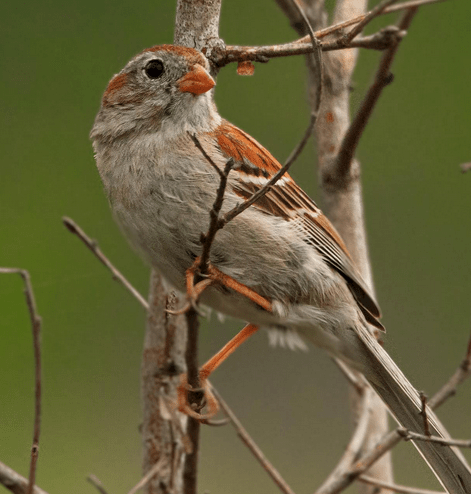


Unlike other species of sparrows which can be tough to identify, Field Sparrows are relatively easy to ID by that white eye ring, orange feet, orange legs and orange beak. They’ve also got a light tannish-orange patch of color behind their eyes and a clear un-spotted grey belly.
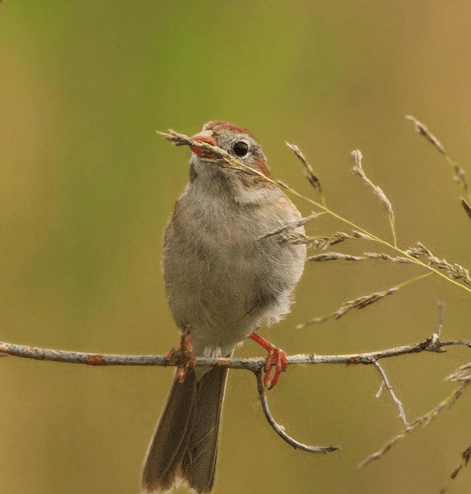
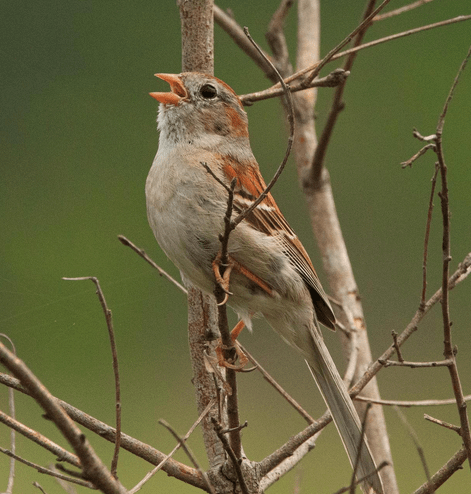
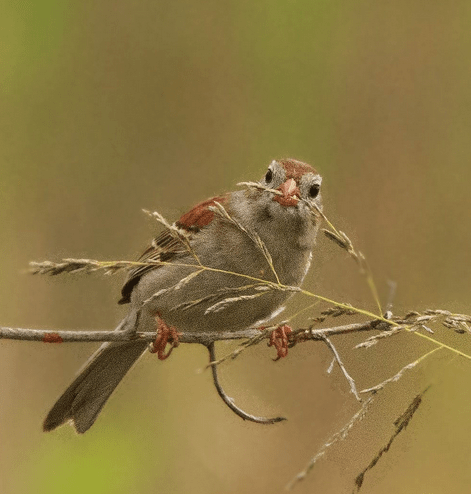
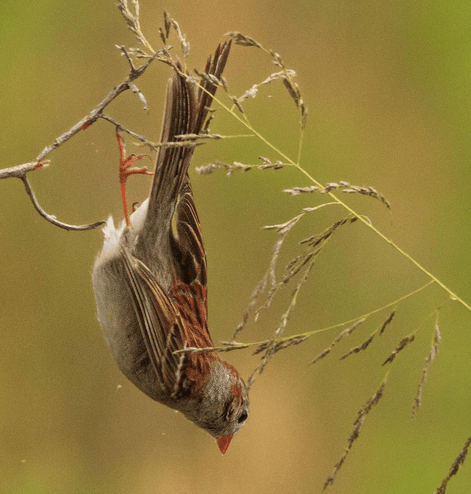
Field Sparrows are best found in overgrown fields, clearcuts, maritime thickets, and woodland borders, always where there is a thick grass and scattered shrubs and saplings.
Their proclivity to spend most of their time in open areas and curious disposition makes them an effortless bird to photograph as I was able to get within just a few feet of this bird without it’s concern.

These lovely feathered gems spend the entire year throughout the state of North Carolina but are generally more commonly found in the spring and summer months.
Aren’t they lovely?

Photos by @sally_siko of @bestlife_birding on my beloved full frame 50MP beast, the mighty @canonusa #5Ds
Orchard Orioles in central NC

By: Sally Siko

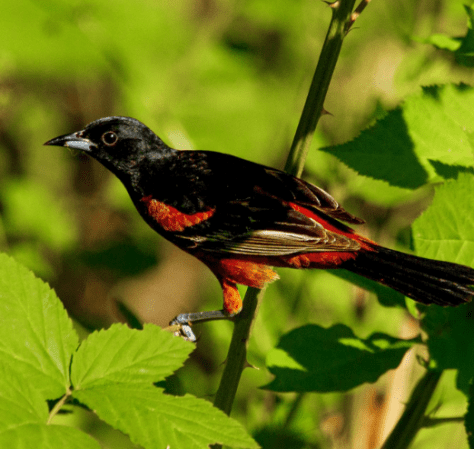
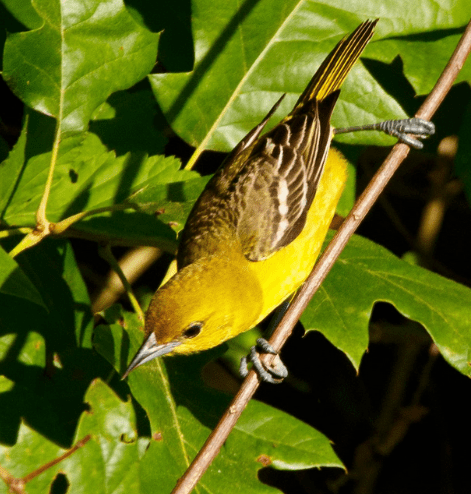
One of the joys of summertime birding is to find a family of Orchard Orioles hunting for insects and berries in the field.
I’ve had the pleasure of seeing several this year while leading tours. It’s always a thrill to show off these beauties to my guests!


Measuring around 6.5 inches long the Orchard Oriole is the smallest species of oriole in North America. Although they look somewhat similar to their brightly colored cousin the Baltimore Oriole, male Orchard Orioles are more chestnut-reddish toned than the familiar bright orange of the Baltimore.
The female Orchards are equally stunning dressed in their yellow and tan plumage.


Look for Orchards foraging low to the ground along the tree lines near and in open tall grass fields containing scrub brush.
They one of the earliest-departing species after nesting as their departure for winter migration takes place in late July and August here in central North Carolina.
You’ve still got a couple of months left to see them so get out there while you can!

Photos by @sally_siko of @bestlife_birding on my beloved full frame 50MP beast, the mighty @canonusa #5Ds
Red cockaded Woodpeckers in the Sandhills of NC

By Sally Siko

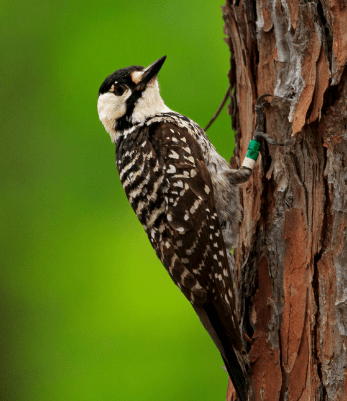
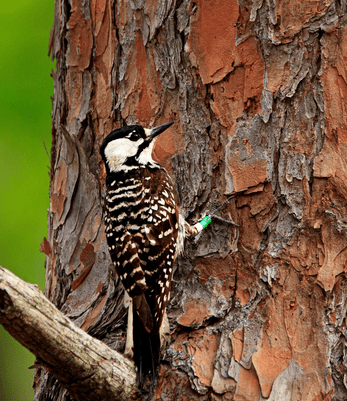
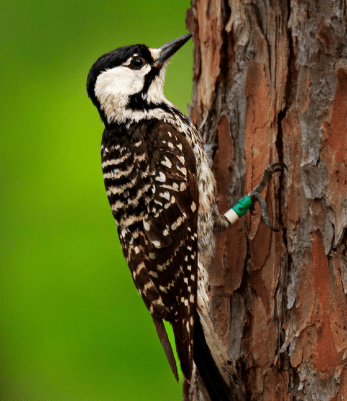
It’s always a joy to catch a glimpse of a rare bird when out in the field and one of my favorites are the Red cockaded Woodpecker.
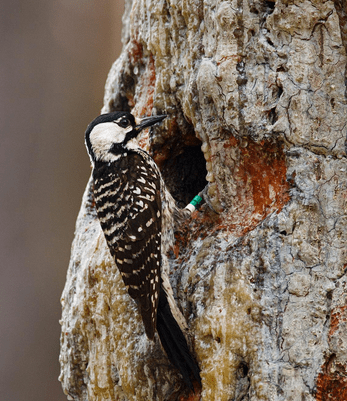
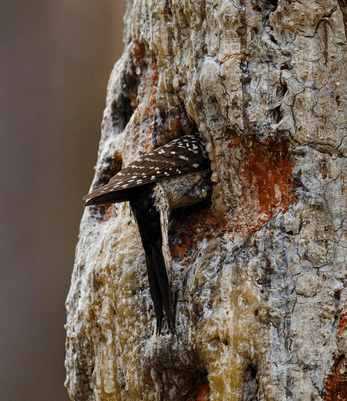
I spotted this little one bringing food back to its nest while leading a tour last week in the Sandhills region of North Carolina.
Though it didn’t stick around for very long, it was a delight to be able to share the experience of seeing this feathered gem with my guests!


These sweet little birds were once a common sight in the southeastern regions of the United States. Due to loss of habitat, today they are considered an endangered species.The reason why is because Red-cockaded Woodpeckers require a narrow scope of forest conditions to breed. They prefer to nest in mature stands of long leaf pine trees with little or no understory. Unfortunately these old growth forests have faced rapid decline which in turn has led to the decline of this species as well.


Luckily, the Sandhills region of North Carolina is a special place where several stands of old pine trees are preserved and maintained lending to provide the perfect conditions for the Red-cockaded to nest.
Here you can see them raising their families every spring and throughout the summer months. It’s truly a special place to enjoy these wonderful birds.
I can’t wait to come back for another look!

Photos by @sally_siko of @bestlife_birding on my beloved full frame 50MP beast, the mighty @canonusa #5Ds
Wood Duck breeding season in North Carolina

By Sally Siko

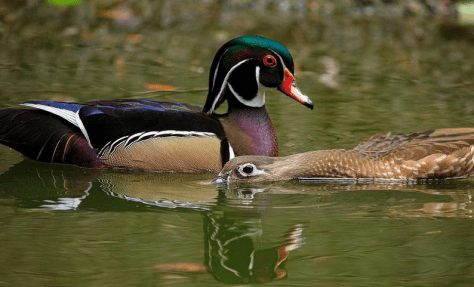
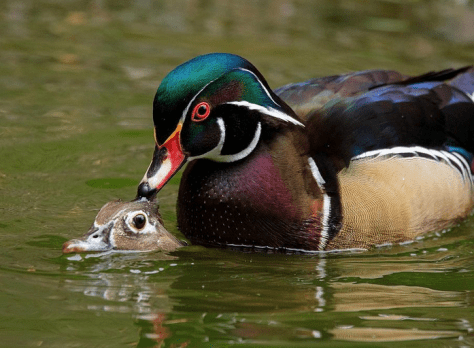
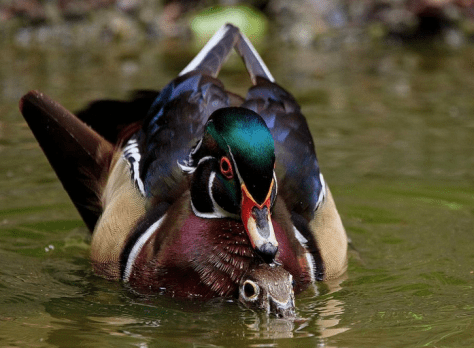
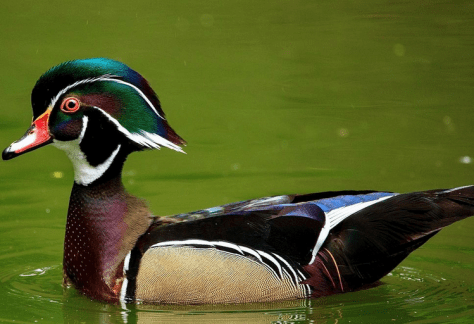
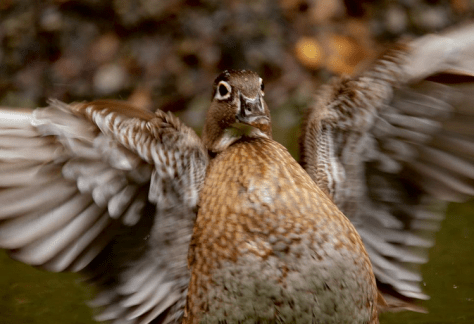
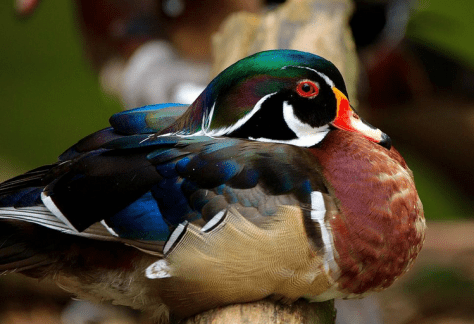
As is the case with this pair of Wood Ducks, there’s a lot of action going on in the Carolinas.
Although many Wood Ducks have already hatched one clutch this spring, soon they’ll be raising a second as the year continues.
In fact, they are the only species of duck in North America to lay eggs twice in a breeding season.


Wood Ducks are cavity nesters often using the empty holes chipped away by woodpeckers in dead trees and in nest boxes placed near bodies of water.
After lining the cavity with soft grass and feathers, the hen will lay a clutch of 10-15 eggs. Brooding time averages about 30 days.
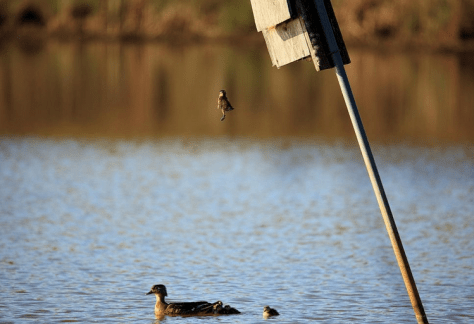
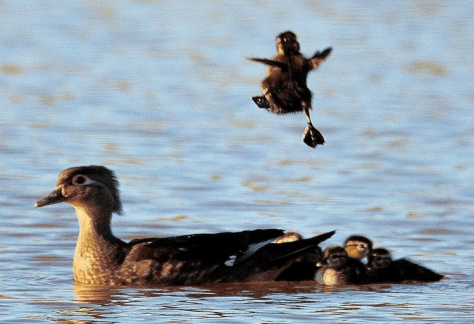
As seen in the last few photos in this post, the ducklings will leave the safety of their nest soon after hatching.
It’s a remarkable thing to watch these tiny ducks take that first giant leap down into the watery world below!
The young ducks will then spend a few months with their mother learning how to feed themselves.


Though the species occurs throughout the entire year here in NC, they are more numerously found during the spring and summer months.
Look for these gorgeous birds in wooded or semi-wooded fresh water ponds, lakes, and larger streams.
Their wintering habitat is similar: wooded or semi-wooded ponds, impoundments, swamps, and larger streams.
Aren’t they lovely?


Photos by @sally_siko of @bestlife_birding on my beloved full frame 50MP beast, the mighty @canonusa #5Ds