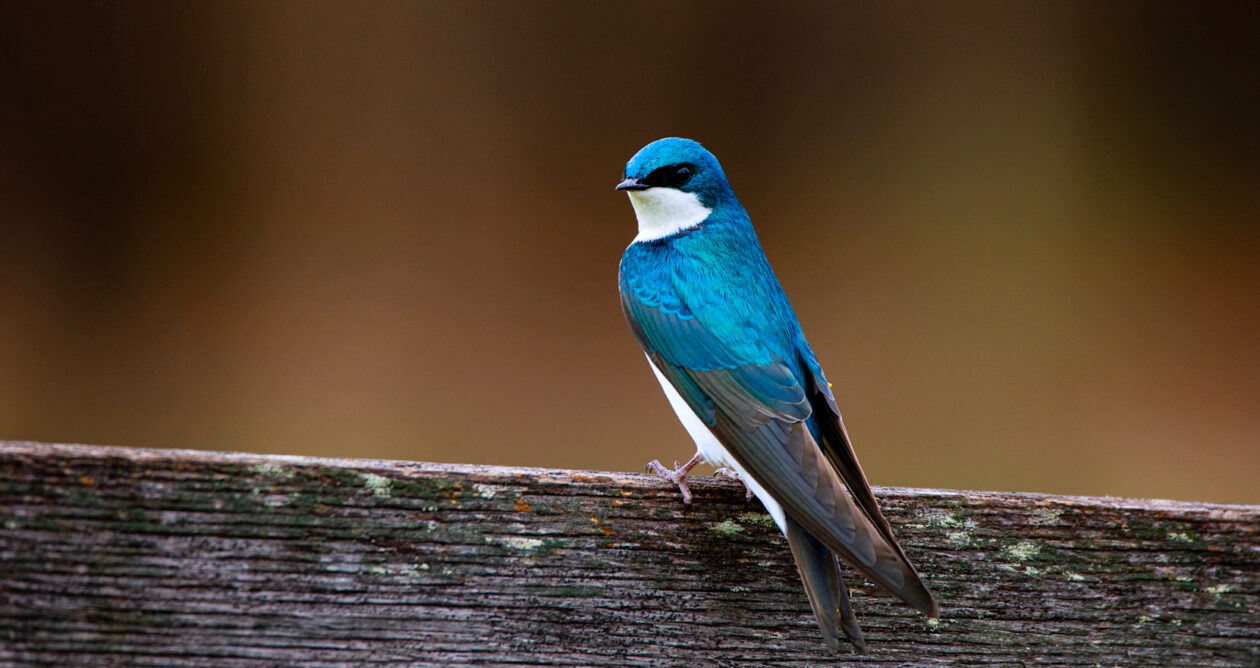
Tag Archives: bird watching trips nc

Spending time with a Yellow-throated Vireo at Brumley Nature Preserve

Every once in a while, I start seeing certain species of birds more often than others.
In this case I’ve noticed Yellow-throated Vireos seem to be flying around NC in greater numbers than in the past 5 years.
I spotted this one snacking on a caterpillar at the Brumley North Nature Preserve this past weekend.


While I don’t know the exact reason for the influx (it could just be luck-right place/right time scenario) I’m certainly happy to to have the opportunity to photograph them again without much effort.

Yellow-throated Vireos favor a different habitat preference to their more often seen relative, the White-eyed Vireo. They tend to shun pine barrens are best found foraging in the high canopy’s of the treetops in old growth deciduous forests and occasionally near wooded streams.
Interestingly, the Yellow-throated and White-throated Vireos share similar calls so finding one isn’t too difficult if you know what to listen for depending on if your in the woods vs. the field.


These cheerful little guys will stick around NC for just about a week or so before heading to their wintering grounds in Central and South America, south Florida and on through to the coast of Texas.
Get out and enjoy them while you can!

Photos by @sally_siko of @birdwatching_nc on the mighty mirrorless monster of a camera, the @canonusa
#R5
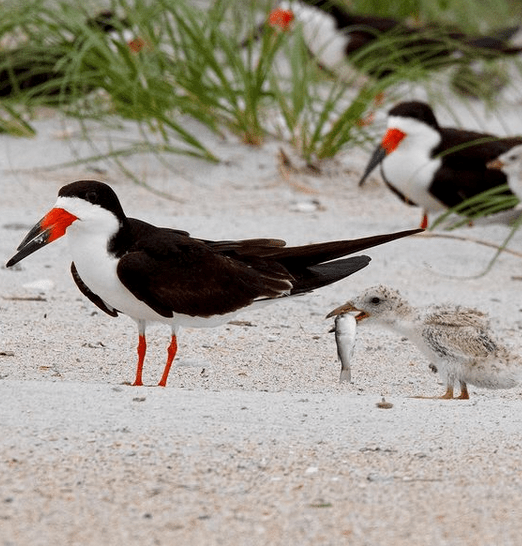
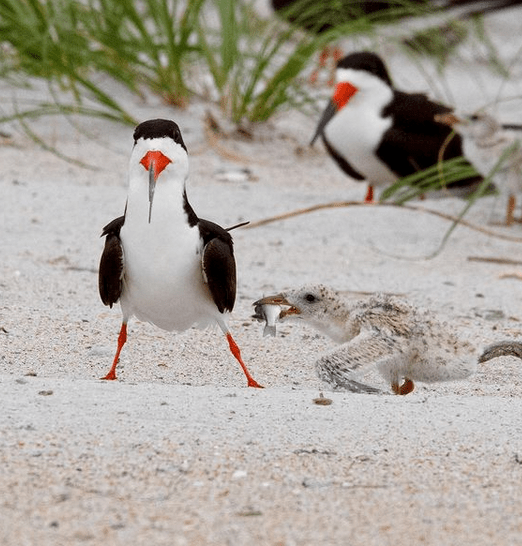
Black Skimmer nesting site on Wrightsville Beach N.C.

Check out this set of photos from the nesting colony of Black Skimmers on Wrightsville Beach!


I captured these moments last month just after sunrise before the beach got crowded.
There were several pairs of Skimmers there taking care of their chicks and plenty of space to observe these beauties from a respectful distance.
With all the challenges faced by nesting seabirds, it’s such a joy to see new life thriving on the coast of North Carolina.

Black Skimmers typically nest as a large colony on the sand flats in between the dunes on our barrier islands.
One to five eggs are laid into a depression in the sand and are incubated by both parents for around 23 days.
The chicks break out of their eggs already covered in downy feathers and can even run around within a few hours of hatching.


During the first few days, one parent will stay with the chick but shortly thereafter the little one will be left alone on the beach while both parents go off to catch its next meal.
Despite their mobility, the little ones rely solely on their parents for food and usually scurry off to hide under some beach grass to await their parents return.
Aren’t they sweet?
🙂

Photos by @sally_siko of @birdwatching_nc on the full frame beast of an SLR, the mighty @canonusa
#5Ds

Birding at the Art Park: The Northern Cardinal

When bird watching in NC, one of the most instantly recognizable species is the male Northern Cardinal.
A familiar sight both in our yards and in the woods, these vibrantly colored birds are found in all 100 counties across the Tarheel State.
I spotted this handsome fellow at the NC Museum of Art Park yesterday morning hiding on a shady bough.


As the end of the nesting season draws near, the Cardinals will start to molt out their feathers which will be replaced by bright new plumage. Some of them even lose all the feathers on their head all at once! This one appears to have started the process as he’s looking a little rough around the edges.


The Cardinal’s signature crimson red colored feathers are a product of the birds diet of plants, fruits and seeds rich in carotenoids.
Although there are plenty of options for them to snack on in the wild, you can grow plants right in your own backyard to help your local Cardinals keep their bright color.
These guys love fruit like raspberries, blackberries and strawberries as these fruits are packed with the carotenoids the birds need. That being said, if you really want to impress your flock of Cardinals, plant a a Dogwood as those red berries produced by this flowering tree are by far and away their favorite backyard treat.

Photos by @sally_siko of @birdwatching_nc on the full frame beast of an SLR, the mighty @canonusa
#5Ds

Birdwatching NC on the Papa Bear Hikes Podcast

By: Sally Siko - Admin Birdwatching NC

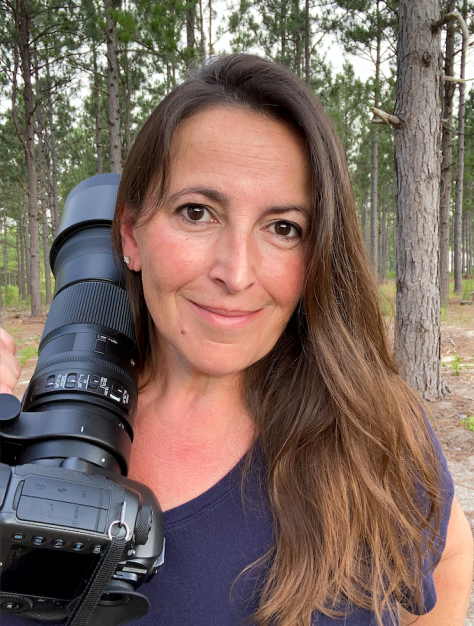
Obligatory blog-post-selfie of your Birdwatching NC admin. Hi ya!

Check out the July 2nd episode of the Papa Bear Hikes Podcast @papabearhikes01 where Martin and I discuss ways to enjoy the outdoors from a photographer / birders perspective.
Find the episode on

iTunes

Spotify

Amazon Music

or wherever you get your podcasts or click on the link below to listen.

https://www.buzzsprout.com/1467697/8798980

In the meantime I want to take this time to share the accounts of some of my favorite folks on Instagram.
Some of them are birders, others are wildlife photographers, tour guides, friends and outdoor enthusiasts, all are good people who love getting out there to capture incredible moments in the outdoors to share with you.

@nilaytphotography
@ncbirdnerd
@wildandexposd_podcast
@deborahroyphotography
@joesubolefsky
@eddeburgessphotography
@gregpiperarts
@srboga
@apexbirdlover
@planet_chad_photography
@28204dan
@2x25mpg
@christian_miller_photo
@biggdread
@mpkopack
@i_guess_i_like_birds_now
@debeluv1960
@talktotheplume
@jeffgresko
@alaskaphotoadventures
@ronhayes_wwi
@rubenbirder
@siberianart
@goodrum.photography
@jhorvathphoto
@birdiepalooza
@ncbirdwatch
@nc_wildlyfe
@kolanderphotos
@thewitt68
@kb_biscuitphoto
@divasecunda

Give them a follow.
You’ll be glad you did 🙂

Happy birding!
Sally
😎

Photos by @sally_siko of @birdwatching_nc on the full frame beast of an SLR, the mighty @canonusa
#5Ds

Papa Bear Hikes July 2nd, 2021 interview with Sally Siko of Birdwatching NC

Blue Grosbeaks in North Carolina

Great to see another familiar feathered face has made its way back to North Carolina this spring, the Blue Grosbeak!
I photographed this handsome male a few days ago at Mid Pines Rd in Raleigh. He was quite content to chill out on the fence line surveying his territory. Every now and again, he’d take off to chase the females in the area before returning to his favorite spot overlooking the fields.


Did you know that Blue Grosbeaks are actually related to the State Bird of NC?
If you look closely at his face you might see the resemblance to our local favorite, the Northern Cardinal. Although the Blue Grosbeak doesn’t share the crimson hues of the Cardinal, they are indeed of the same family of Cardinalidae.

All the members of this family group have thick triangular shaped bills, good for crushing hard seeds, which make up a high percentage of their diets. Interestingly, both Grosbeaks and Cardinals will switch over to eating mainly insects (especially juicy grasshoppers for the Grosbeak) during the nesting season to provide a high protein diet for their young.

You can attract Blue Grosbeaks to your own yard by providing Black oil sunflower seed, raw peanuts, sunflower seed chips, millet and safflower seeds in your feeders.
Speaking of backyard birds, check out my contribution at Redfin.com where I share some tips on how to attract a wide variety of species to your yard.

https://www.redfin.com/blog/how-to-attract-birds-to-your-backyard/

It’s always nice to have one of these beauties show up at home!

Photos by @sally_siko of @birdwatching_nc on the full frame beast of an SLR, the mighty @canonusa
#5Ds

New Birdwatching Trips / Group Birding Tours in North Carolina have been added for 2021 & 2022

By: Sally Siko -Admin Birdwatching NC

Birders and bird loving photographers of all skill levels are invited to join me, Sally Siko as we explore the trails, woods, fields and shorelines of North Carolina in search of interesting birds. From the mountains to the coast, the Triangle and everywhere in between, there are plenty of great species to get out and enjoy throughout the year.

In addition to local trips here in the Triangle, new birding tour dates and locations in North Carolina have been added to my calendar including Bynum Bridge, Pea Island NWR & Ft.Fisher. Click on the dates marked in green in the box below for more information.

Book today as space is limited on these small group tours 🙂

Shown below is the BWNC Instagram feed featuring of some of the species I’ve found for my guests here in North Carolina in 2021.

The year isn’t over yet though. I can’t wait to help you add more birds to your list too!

Birding at Bass Lake Park - The Common Yellowthroat

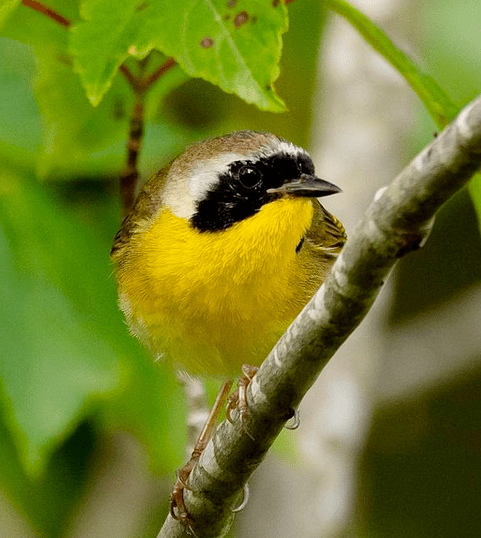
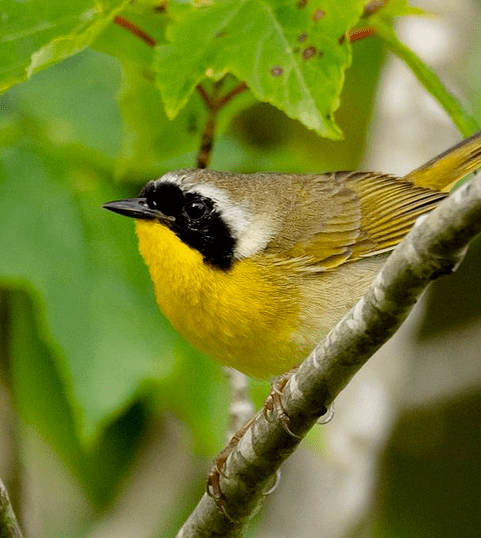
Few species of Warbler are more delightful to encounter on a spring walk than the Common Yellowthroat.
I spotted this one while birding at Bass Lake Park in Holly Springs NC.
With those inquisitive dark eyes peering out against a black face mask paired with a cheerful bright yellow plumage, it’s hard not to smile when watching one go about it’s day of hunting for insects in the brush.


As their name implies, Common Yellowthroats are indeed “common”. Not only do they nest in all 100 countries of North Carolina, they actually boast a breeding range that stretches across the entire United States and even over most of Canada! This makes them one of the most abundantly found species of Warbler on the continent.
Quite a feat for such a tiny bird!

One of my favorite characteristics of these beauties is their friendly demeanor. When not actively nesting, they’re quite curious about people and will fly in close to check you out if you try pishing at them. It’s neat to get a close up look at these lovely feathered gems when the opportunity presents itself.
Look for the Common Yellowthroat in open fields and along the shorelines of marshes, ponds and streams hiding out in thickets and dense brush.
Aren’t they sweet?


Photos by @sally_siko of @birdwatching_nc on the full frame beast of an SLR, the mighty @canonusa
#5Ds

New Weekend bird watching tour dates are now available in North Carolina for 2021

Come birding with me!
I’ve just updated the tour page on the website to include a bunch of new dates and birding locations here in North Carolina for 2021.

These trips are are geared towards birders and bird loving photographers of all skill levels and are usually a lot of fun.
Real time species ID is provided in the field with a trip goal of getting out there to see more birds in less time.
An eBird summery documenting all that we find along the way will be sent to you immediately following the tour so that you can add new birds to your own life list at your leisure too!

Check out the tour links below for more information on upcoming trips and I hope you enjoy the photos of some of my favorite birds from 2020.

Happy birding my friends and cheers to the new year ahead 🙂

Photos by @sally_siko of @birdwatching_nc

A gray Catbird at Greenfield Park in Wilmington N.C.

While birding in the rain at Greenfield Park & Gardens in Wilmington N.C. recently, I found a sweet little Gray Catbird. He had just caught a Junebug and appeared to be quite pleased with himself lol!

Catbirds (Dumetella carolinensis) are often found in dense brushy areas at the edges of lakes, fields and woods. They belong to the genus Dumetella, which in Latin means ‘small thicket which seems to fit their behavior perfectly.

These pretty little birds are relatives of Thrashers and Mockingbirds, sharing the talent of the group’s superb mimicking abilities. In addition to incorporating all kinds of woodland sounds into their repertoire, Catbirds are able to copy the sounds of other birds and weave them into their own unique songs.
Lol, I’ve been tricked a time or two myself by these guys into searching for a non existent Warbler.


What a cool bird!
Photo by @sally_siko of @birdwatching_nc on the mighty full frame beast of a birding camera, the @canonusa #5ds

Spring birding trips and tours in central North Carolina

https://birdwatchingnc.com/birdwatching-n-c-trips-birding-in-north-carolina

Come birding with me in central North Carolina!
My spring group tour schedule is now posted and I’m taking reservations for bird watching trips March through May.
Reserve your spot early as space is limited.