Tag Archives: birding tour nc

Alligator river NWR & Pea Island NWR North Carolina Birding Trip report- November 28th,2021

By: Sally Siko- Admin Birdwatching NC

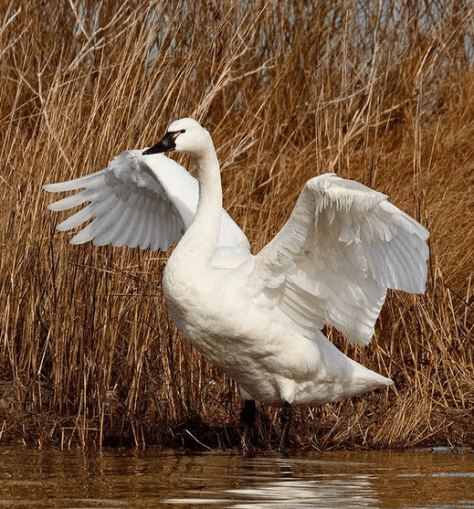
Tundra Swans at the Pea Island NWR

Back home after my trip to the Alligator River NWR & the OBX this past weekend and thinking about the importance of pre-bird tour groundwork.
Because nature is somewhat unpredictable, I’ve found it useful over the years to do a little location scouting a day or two before my tour dates.
This time allows me to check the conditions of the trails and routes plus be able to confirm that all of the seasonal bird species are where I’d expect them to be.
Most of the time it’s all good but in this case, yikes!
Thank goodness I headed out to the Alligator River NWR earlier in the week before my guests where scheduled to arrive because apparently the impoundment areas were bone dry.

Dry as a bone at the Alligator River NWR

Normally the fields are flooded in October to provide safe haven for migrating waterfowl over the winter but due to dry conditions, a shortage of workers, and a beaver dam stopping up the pumps, they were unable to start the pumps to flood the fields this year.
Thus, aside from a small flock of Tundra Swans, a half dozen Northern Harriers, Red-tailed Hawks and Bald Eagles, there were hardly any birds to be found along the first stop of my tour.
Not exactly the best conditions to start off a birding trip…

Red-tailed Hawk at Alligator River NWR

So, I contacted my guests before the tour day and explained the situation on the ground.
My new plan was to spend less time at the Alligator River NWR and add an extra stop at the end of our tour on to find a rare species of bird (a Snow Bunting) on Pea Island.
I don’t like to have to change things last minute but I always want to make sure that my guests are getting in the most birds (and the most fun!) out of the time we spend together so this felt like the right move.

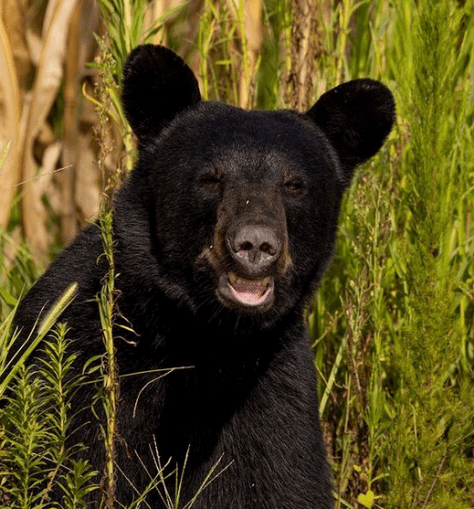
Black Bear at the Alligator River NWR

As it turned out, Alligator River NWR was still worth the short visit as there were plenty of opportunities for my guests to spend time photographing the resident Black Bears which was pretty cool!


It was such a joy to see so many happy bird loving photographers getting their first ever shots of a bear.
Plus, I got to show the group a family of Bald Eagles hunting Swans in the fields.


All in all, not a bad way to start the day 🙂

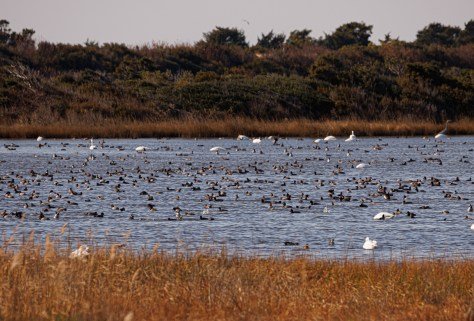
Thankfully our next stop on Pea Island came through with thousands of ducks and swans to see swimming on the ponds in the refuge.

American Wigeon at Pea Island NWR


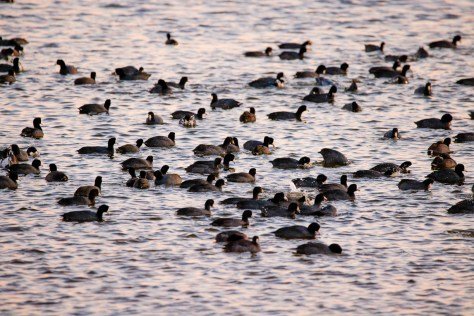
There were Redheads, American Wigeons, Ringnecks, Scaups, Pintails, Gadwalls, Black Ducks, Mergansers, Buffleheads and more including American Avocets, Clapper Rails, Godwits, warblers and sparrows!
Plus uncountable numbers of Tundra Swans, geese and American Coots to round out the day’s list which you can see in the photos below.

Oh and yes, I was able to deliver that Snow Bunting too (a new lifer-bird for every guest!) which was a total cherry on top.

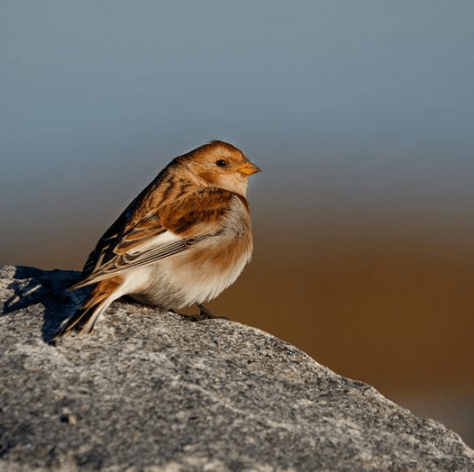
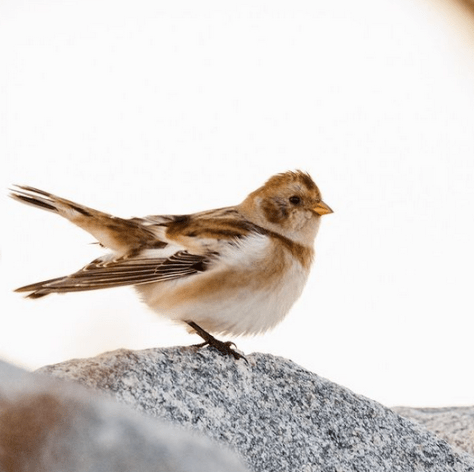
Snow Bunting at Oregon Inlet

All in all and despite an unexpected start, a wonderful day 🙂 I can’t wait to get back out there for the next tour later this month!

If you’d like to join me this winter on a birding trip, click on the dates shown in green on the calendar below for tour availability, locations and booking info.

PS. Shout out to my friend John Carter who completed his goal to go birding in all 100 of North Carolina’s counties!

He say’s that he is now officially retiring from birding (to focus on his Raleigh - Durham Real estate career) and that his last bird of the year was the Snow Bunting we found on this trip 🙂

CONGRATULATIONS JOHN! Hope you come out of bird retirement again someday. Never say never my friend 😉
Rare Bird Alert North Carolina- Snow Bunting at Oregon Inlet OBX

This past weekend, I led a birding trip to the OBX and was pleased to show my guests a rare wintertime visitor to NC, the Snow Bunting!
It was such a joy to see how happy this bird made the people on the tour, so many big smiles, what a great way to cap off the day.

Snow Bunting at Oregon Inlet on Pea Island in the OBX, North Carolina


Dedicated cold weather birds, Snow Buntings breed in the high Arctic. They nest in the crevices and deep cracks of rocks which provide protection from the Arctic winds.
Though their nests are thickly lined with grass, feathers and tufts of fur, due to the extreme cold temperatures the female is unable to leave the nest so her mate is wholly responsible for feeding her while she is incubating the eggs.


Often seen with flocks of Longspurs and sparrows, Snow Buntings feed on the ground, foraging for a variety of seeds and buds as well as insects and other small invertebrates, including small marine crustaceans when spending time in coastal areas.
This particular bird spent most of its time either on the rocks overlooking the water or on the ground eating grass seed under the bridge along Oregon Inlet.


The Snow Buntings normal wintertime range extends from southern Canada down to Pennsylvania on the east coast, across the upper Midwest over to western Oregon.
They are also an infrequent visitor to the coastal areas of Virginia, Maryland and North Carolina.
Look for them hiding on the low dunes, short grass/ sand flats, and on rock jetty’s in the OBX from November through February.

@sally_siko of @birdwatching_nc on my mighty 50 megapixel monster, the @canonusa #5Ds

OBX Birding trips - 2021 & 2022 North Carolina winter Birdwatching Tour Schedule

Finally colder weather has arrived and with it, new birds are making their way to North Carolina to spend the winter.
I’m so excited because this means my favorite time of year is here, weird duck season lol!

These are some of my favorite birds from my trips to the OBX last year.
As you can see it’s mostly about waterfowl like Wigeons, Northern Shovelers, Redheads, Tundra Swans, Pintails, Eiders and Scaups but there’s also giant American White Pelicans, Coots, American Avocets and more to find too!
And oh yes, there are LOTS of them out there.
The barrier islands of the OBX in eastern NC offers superb habitat conditions for visiting migratory waterfowl with large, shallow freshwater ponds and brackish water marshes for the birds to feed in.
Every autumn, thousands of ducks, geese and swans arrive to settle in these areas which offers excellent viewing and photographic opportunities for birders and bird photographers alike to get up close to these gorgeous feathered gems.

This means that starting on November 28th, I’ll be making several trips to the coast to lead birding / photography tours in the OBX at Pea Island NWR and the Alligator River NWR from now through February 2022.
These trips are an opportunity for us to connect with like-minded bird loving photographers who enjoy the chase as much as we do.
On a personal level, I mean where else can I hang out with groups of people who actually want to hear more random bird facts along with chatter about F stops and shutter speeds?
Do you know how hard it is to find people like you IRL off of the net?
Talk about a “rarity”!
Lol!
At the end of the day, it’s just nice not to feel alone in this pursuit and incredibly rewarding to know that I can help others move forward on the journey with me.
Yeah it’s corny to say out loud but it’s how it is haha 😉
Anyway…if you’d like to join us out there check the calendar below for the Birdwatching NC tour schedule.
Book your date today before space is gone.

I’m looking forward to meeting you to go birding this winter!!!

Photos by @sally_siko of @birdwatching_nc on my mighty 50 megapixel monster the @canonusa#5Ds

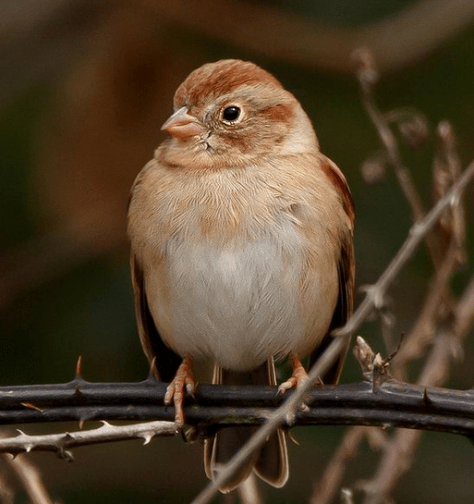
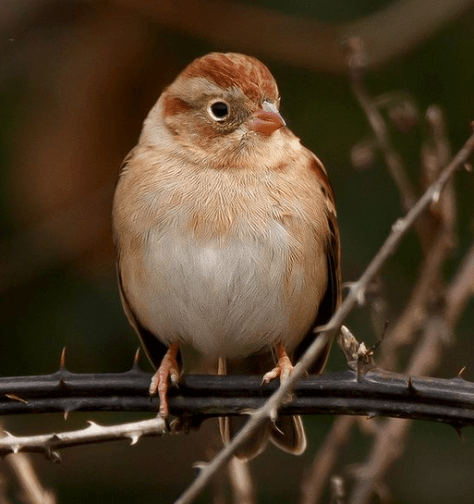
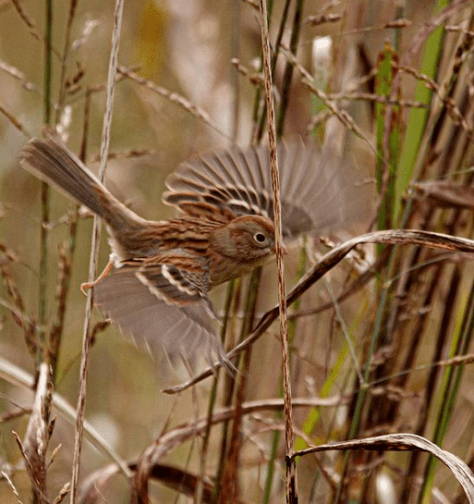
Field Sparrows at Mid Pines Rd

It’s always a delight to catch a couple photos of a Field Sparrow. I caught a glimpse of this little gem on Friday afternoon at Mid Pines Rd in Raleigh.
This species has that prominent white eye ring making them easily identifiable which is a very good thing when trying to figure what kind of sparrow you’re looking at.
Plus the white feathers around their eyes give them a sweet faced look that never fails to make me smile whenever I encounter one.


Field Sparrows are a year round resident of North Carolina, yet here in the central part of the state they appear to be found more numerously during the autumn and winter months.
Although they are known nest across the state, the numbers of Field Sparrows sighted in the breeding seasons have been in steady decline over the past 20 years. The exact reasons for the dip in are still unclear but the downward trend seems to follow a similar path to the decline in Bobwhite numbers which I would suppose has to do with the loss of rural & agricultural habitat that both species rely on.


As you’d expect, Field Sparrows are found in tall grassy open areas, overgrown fields, hedge line brush and maritime thickets. The roadside fence line along Mid Pines Rd. adjacent to the cow pastures is the perfect place to spot these guys.
Grass seeds make up less than 50% of their diet in the summer, but more than 90% in the winter. In the summer they also take adult and larval insects and spiders.
Field Sparrows forage on the ground, but look for flocks of them in the grass near some form of plant cover where they can quickly fly into if they need to hide.

Photos by @sally_siko of @birdwatching_nc on my magnificent megapixel monster, the mighty @canonusa #5Ds

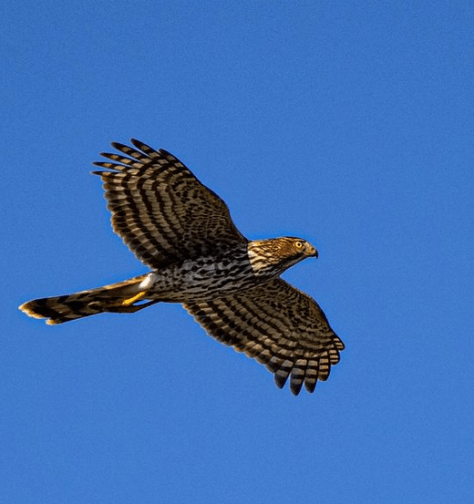
Coopers Hawk vs. Sharp-shinned Hawk at Jordan Lake

So every now and then I goof up an ID….
Recently I was birding at Ebenezer Point at Jordan Lake SRA with a group of fellow bird lovers when we spotted a hawk being pursued by a crow.
I was pretty sure it was a Sharp shinned at the time and even pointed it out to the folks with me. ( Ooof! 🤦‍♀️)
Yet once I returned home and was able to get a better look at the bird in the photos, I realized that it was a Coopers Hawk, not a Sharp shinned!

My mistake was in looking at the bird as a whole and (incorrectly) determining that he was slimmer in appearance than he really was.
The field marks that point towards Cooper’s hawk are it’s rounded off tail & somewhat larger head (in relation to its body).
Plus, the most obvious fact that this bird was nearly as large as the crow which definitely points towards a Coopers Hawk vs. a Sharp shinned.


As it goes with any challenge worth pursuing, sometimes the quickest way to get something right consistently is to be wrong from time to time and learn from our mistakes along the way.
Happy birding my friends!

-Sally

Photos by @sally_siko of @birdwatching_nc on my mighty megapixel monster the @canonusa#R5

Winter North Carolina birdwatching tours coming soon

Can you feel it?
The cool breeze seeping in under the still warm sun and crisp blue skies.
The leaves starting to lose those vibrant greens in the west, fading ever so gently into muted tones soon to blaze red & gold into brown.
Yes.
Autumn is here in the Carolinas and following on its heels, the most wonderful time of year…
Weird duck season!!!


Today we’re all concentrating on the fall migrational movements of Warblers and other songbirds but in my opinion, winter will bring my favorite feathered gems to North Carolina.
Redheads, American Wigeons, Green winged Teal, Blue winged Teal, Snow Geese, Tundra Swans, Canvasbacks, Eiders, Pintails, Northern Shovelers and more waiting to delight us once the weather turns cold.


I’ve made the decision to spend as much time as I can this winter traveling to our coastal counties this winter to photograph and share as many duck species as I can from November to February.
Although I’ve got a pretty good idea of what I can expect to find out there, there’s always the potential to be surprised and delighted by something new floating out there in the water (or something furry hiding in a cornfield, lol!).

Wanna join me?
After all, birding & bird photography is better with friends!
Birders / Photographers of all skill levels are welcome and I’ll be sharing plenty of tips along the way.
Check out the link below for my winter tour schedule to book your date.

https://birdwatchingnc.com/birdwatching-n-c-trips-birding-in-north-carolina/


If you have any questions about the details of my trips shoot me an email anytime.
See ya out there!
-Sally

Photos by @sally_siko of @birdwatching_nc on the mighty @canonusa
#5ds

Cape May Warblers at Bynum Bridge Pittsboro NC

The Cape May Warblers have returned to central NC and I couldn’t be happier to see these sweet birds again.


I spotted this one and several others at Bynum Bridge in Pittsboro a few weeks ago after a quick trip to Brumley North.
It was neat to watch them as they flitted through the branches in search of a meal.

Cape Mays are lovely creatures.
They breed across northern Canada in forests of spruce and balsam fir, especially in areas where their favorite food (the spruce budworm) is abundant.
Every spring, thousands of them make the journey north to their nesting grounds stopping in western NC along the way.
When autumn arrives they tend to spread out a bit more and are often sighted in central and eastern NC as well.

Usually the Cape May’s are spotted hunting in the upper canopy layer of the trees which is why having access to an elevated viewing area (as which is found at Bynum Bridge) is helpful if you’d like to get a good look at one.
That being said, they’ll be headed to their wintering grounds in the West Indies and Central America soon so get out there while you can through mid October.

Photos by @sally_siko of @birdwatching_nc on the mighty mirrorless monster of a camera, the @canonusa
#R5

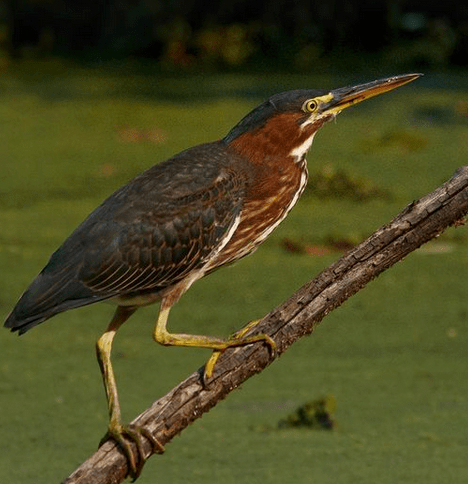
A Green Heron encounter at the Pee Dee NWR

If you get the chance, it’s nice to take a few minutes to sit and watch a Green Heron hunting for a meal.
I spotted this handsome guy while on a birding trip at the Pee Dee NWR in Wadesboro NC last weekend.
He moved slowly, one foot methodically placed over the other, creeping at a snails pace as not to alert its prey hidden below the surface of the murky water below.
The Heron struck twice but came up empty both times. Undeterred, he kept at at it eventually landing a small fish a little further out into the pond.

Like most other Heron species, Green’s prefer to spend their time wetland habitats such as marshes, bogs, swamps, creeks, ponds and lakes. Their diet consists of fish, frogs, toads, salamanders, snakes, crayfish, insects and even small rodents when the opportunity presents itself.
During the winter, they’ll hunt for prey in brackish water so small crustaceans and mollusks will be on their menu too.

These handsome birds are found throughout the Tarheel state from March to October so you’ve still got plenty of time to go see one this year.
That being said, a few Green Herons have been reported to spend the wintertime in our southeastern coastal counties which is pretty neat!

Photos by @sally_siko of @birdwatching_nc on the full frame beast of an SLR, the mighty @canonusa
#5Ds

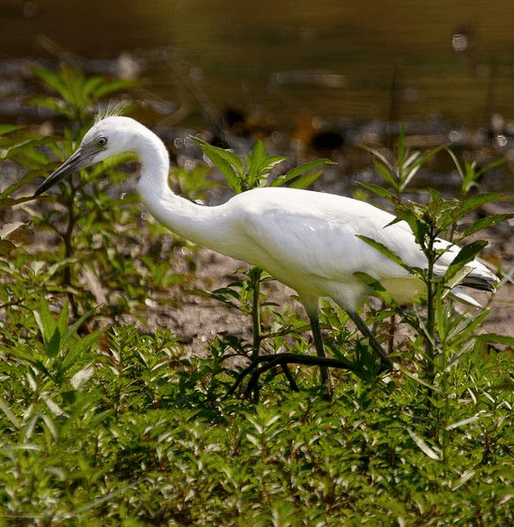
A Little Blue Heron encounter in Raleigh, NC

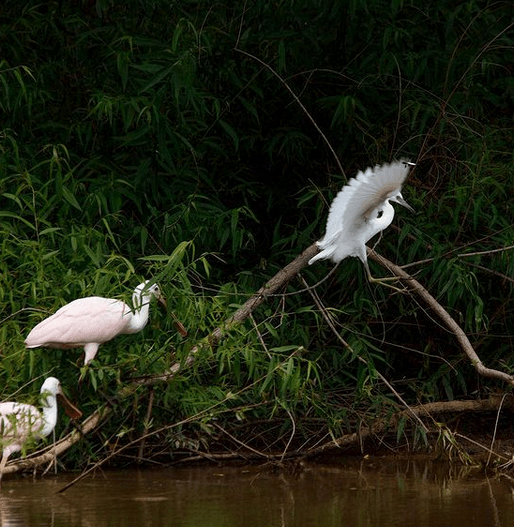
Earlier this month, a pair of Roseate Spoonbills caused quite a stir in the Triangle birding community by showing up at Lake Lynn in Raleigh. While these two were definitely a cool sight, they weren’t the only interesting bird to show up at Lake Lynn that day, check out this immature Little Blue Heron!


The young Heron was hanging out with the Spoonbills as they hunted for a meal together on the mud flats in the north end of Lake Lynn.
The larger birds seemed to tolerate the young one as the Little Blue followed the pair of Spoonbills like a puppy, following their every step through the shallow water.
Then, for whatever reason the Spoonbills decided to chase the Little Blue away.


The Heron tried to hide on a fallen willow branch but the Spoonbills pursued him relentlessly causing the Little Blue Heron to eventually make his escape by flying up into the higher boughs of a cypress tree.
Not long afterwards, Great Blue Heron flew in and watched the Little Blue intently.
Perhaps the larger Heron was eying the little one as potential meal lol!
After an hour or so of sitting in the tree top, the Little Blue Heron ended the interspecies standoff by launching himself from the tree into the air flying south across the water, disappearing around the bend of the shoreline.
Not long afterwards, the Spoobills headed out in the same direction…

Although they aren’t a particularly common sight at any location in North Carolina, coastal populations of Little Blue Herons are a year round resident of the Tarheel state and they’re also found here in the Triangle from June to August.
They are usually spotted hunting for fish, invertebrates, frogs, small reptiles and insects in shallow freshwater marshes, ponds and on mudflats.
Though it might seem that this elegant white bird is miss named, Little Blue Herons are indeed covered all over with a steel-purplish-blue colored plumage once they reach adulthood.
What a beauty!

Photos by @sally_siko of @birdwatching_nc on the full frame beast of an SLR, the mighty @canonusa
#5Ds

Birding at the Art Park: The Northern Cardinal

When bird watching in NC, one of the most instantly recognizable species is the male Northern Cardinal.
A familiar sight both in our yards and in the woods, these vibrantly colored birds are found in all 100 counties across the Tarheel State.
I spotted this handsome fellow at the NC Museum of Art Park yesterday morning hiding on a shady bough.


As the end of the nesting season draws near, the Cardinals will start to molt out their feathers which will be replaced by bright new plumage. Some of them even lose all the feathers on their head all at once! This one appears to have started the process as he’s looking a little rough around the edges.


The Cardinal’s signature crimson red colored feathers are a product of the birds diet of plants, fruits and seeds rich in carotenoids.
Although there are plenty of options for them to snack on in the wild, you can grow plants right in your own backyard to help your local Cardinals keep their bright color.
These guys love fruit like raspberries, blackberries and strawberries as these fruits are packed with the carotenoids the birds need. That being said, if you really want to impress your flock of Cardinals, plant a a Dogwood as those red berries produced by this flowering tree are by far and away their favorite backyard treat.

Photos by @sally_siko of @birdwatching_nc on the full frame beast of an SLR, the mighty @canonusa
#5Ds