Tag Archives: rare bird news north carolina

Rare Bird Alert North Carolina- Snow Bunting at Oregon Inlet OBX

This past weekend, I led a birding trip to the OBX and was pleased to show my guests a rare wintertime visitor to NC, the Snow Bunting!
It was such a joy to see how happy this bird made the people on the tour, so many big smiles, what a great way to cap off the day.

Snow Bunting at Oregon Inlet on Pea Island in the OBX, North Carolina


Dedicated cold weather birds, Snow Buntings breed in the high Arctic. They nest in the crevices and deep cracks of rocks which provide protection from the Arctic winds.
Though their nests are thickly lined with grass, feathers and tufts of fur, due to the extreme cold temperatures the female is unable to leave the nest so her mate is wholly responsible for feeding her while she is incubating the eggs.
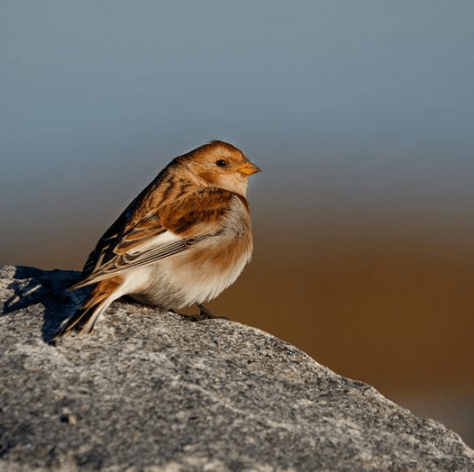
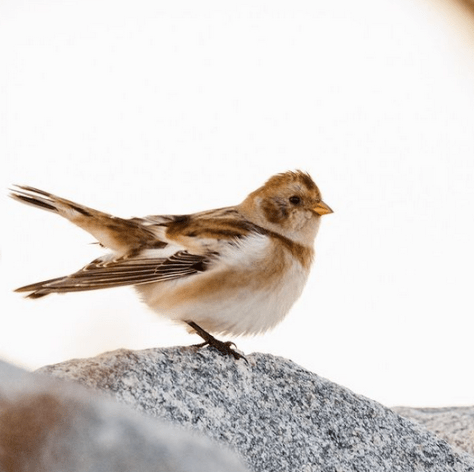

Often seen with flocks of Longspurs and sparrows, Snow Buntings feed on the ground, foraging for a variety of seeds and buds as well as insects and other small invertebrates, including small marine crustaceans when spending time in coastal areas.
This particular bird spent most of its time either on the rocks overlooking the water or on the ground eating grass seed under the bridge along Oregon Inlet.


The Snow Buntings normal wintertime range extends from southern Canada down to Pennsylvania on the east coast, across the upper Midwest over to western Oregon.
They are also an infrequent visitor to the coastal areas of Virginia, Maryland and North Carolina.
Look for them hiding on the low dunes, short grass/ sand flats, and on rock jetty’s in the OBX from November through February.

@sally_siko of @birdwatching_nc on my mighty 50 megapixel monster, the @canonusa #5Ds
Rare Bird Alert North Carolina- Ross’s Geese in Raleigh

By: Sally Siko- Admin Birdwatching NC

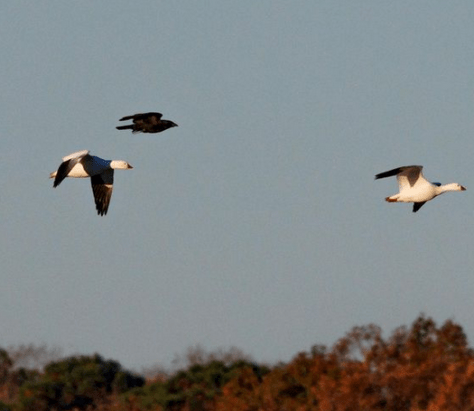
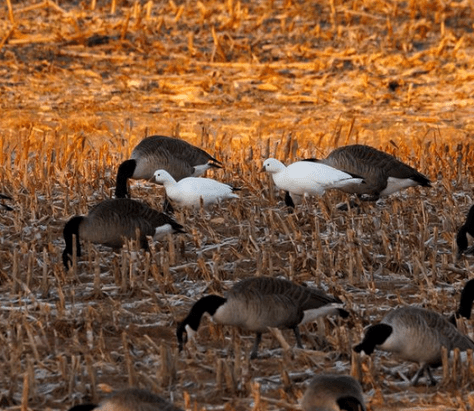
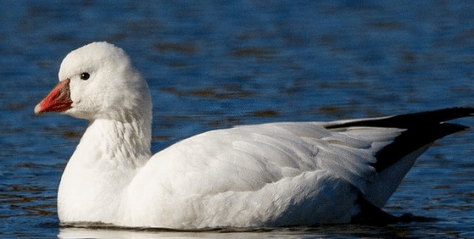
After finding the Ross’s Geese yesterday morning on Mid Pines Rd in Raleigh, I decided to take a trip back to the area that afternoon to see if I could grab a few extra photos of these beautiful birds.
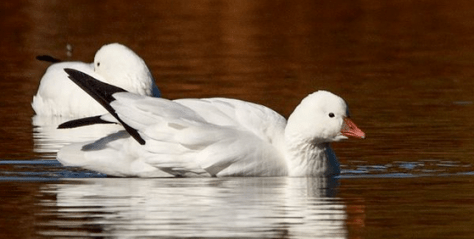
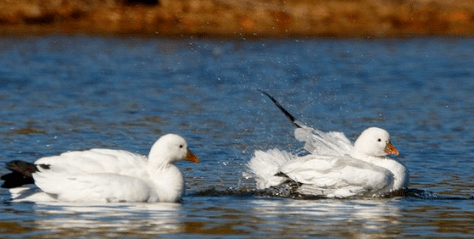
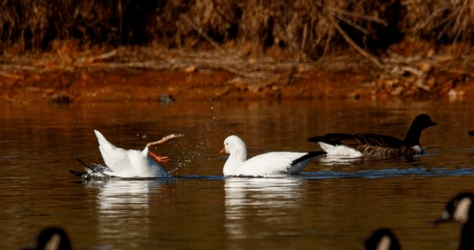
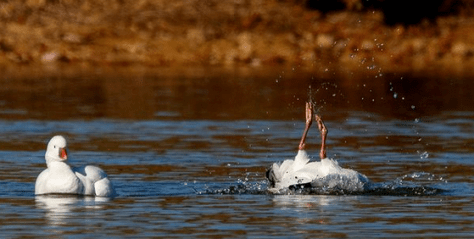
Happily the decision paid off as I located the pair again swimming (and doing backflips lol!) on a nearby pond behind the Antioch Church off of Lake Wheeler Rd!

The first set of photos shown above (morning) were taken with the Canon R5 and while they turned out pretty good, on my afternoon trip I brought my big boy, the 50MP Canon 5DS as I anticipated needing the extra large file size to allow for some post production cropping of the images. Check out those images below!

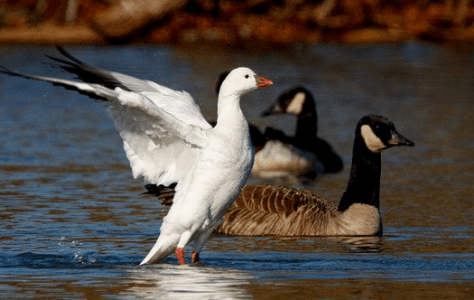
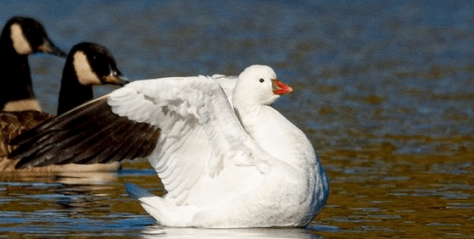
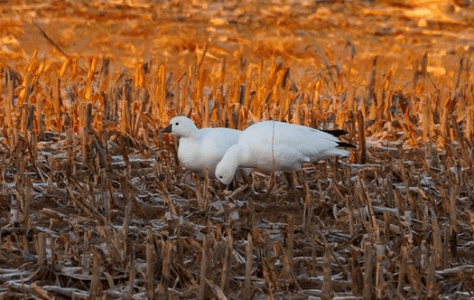
Ross’s Geese (afternoon photos) captured with the Canon 5Ds in Raleigh NC

*Geese can be kinda skittish so even when photographing them with a 600mm lens, I was still pretty far away so the ability that the 50MP Canon 5Ds offers to crop the photos without losing those feather details was important.

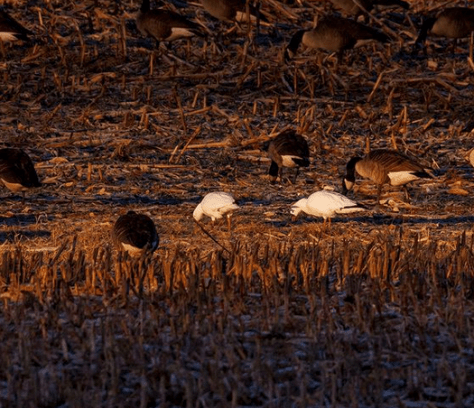
Ross’s Geese are an unusual sight in central NC as they typically migrate further to the east to spend the winter in our coastal waterfowl impoundment and marshes. Normally your best bet in seeing them is at Pea Island, Lake Mattamuskeet, and the Pungo Unit where they will hang out amidst flocks of Snow Geese.
Thus, seeing them in the Raleigh area is pretty special.
That being said, there have been growing numbers of sightings of Ross’s Geese further inland over the past 20 years so maybe this sighting is right on trend.

Since the Ross’s Goose and Snow Goose look so similar, it can make for a tough ID in the field.
The best way to tell them apart is that Ross’s Geese are smaller and lack the broad black edges of the bill (known as a “grinning patch”) that Snow Geese show.
They’ll stick around the Tarheel state until late February so if your winter birding plans lead you to our coast this winter, you should have a good opportunity to enjoy them for a few more months.

Photos by @sally_siko of @birdwatching_nc on my mighty twin dragons, the Canon R5 & the 50 megapixel monster, the @canonusa #5Ds
Rare Bird alert North Carolina- Say’s Phoebe in Gibsonville, N.C.

By: Sally Siko- Admin Birdwatching NC

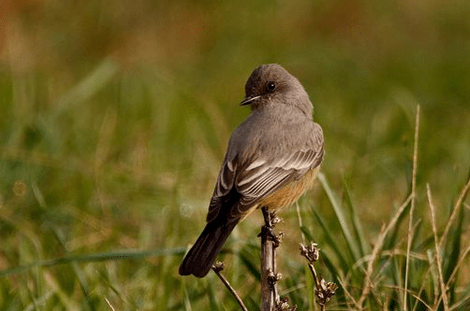
After missing out last weekend, I finally got this morning to see the Say’s Phoebe that’s been hanging out at the Guilford County Farm in Gibsonville, NC.
Rarely seen on the east coast of the US, the Say’s Phoebe’s normal range extends from Alaska, throughout the western United States and down into Mexico.
The fact that this bird somehow ended up in central North Carolina is pretty cool!

This bird looks similar to the Eastern Phoebe except that it has a grey breast and a salmon colored belly. It even behaves in a similar way with tail flicking which I thought was pretty cute 🙂
Although I hadn’t seen one until today, I know that Phoebes prefer to hunt for insects at the edges of open grassy areas so when I set out to search for it I had a pretty good idea of where it would likely be.
It took about two hours of searching when the bird finally showed up in the corner of a field near one of the farm sheds.
Success!

Coincidentally, there was another large group of birders on the farm that day. While we didn’t interact with each other, I assumed they were searching for this bird too.
I quickly grabbed a few photos of the Say’s and then jogged up the fence line to see if there was anyone still hanging out from that group who’d like to see this bird.
Unfortunately, all of the birders had left the farm except for one guy (Hi Keith!) so he was the only one who got to view the Say’s with me.
Oh well, I tried. Lol, even when I’m not leading a tour I can’t stop myself from sharing my happy bird-nerd moments with others!

This particular bird has been hanging out at the farm for around 3 weeks so it’s likely that it’ll still be there for a few more days. It seems to prefer that field along northeastern corner of the bob wire fence line.

By the way, the Guilford County Farm park is public property and there is a public parking lot on-site so no worries about hiking around the grounds.
If you’d like to find it too I’ve included a Google map showing the exact spot where I found it below.

Happy birding!

-Sally

Rare Bird Alert North Carolina: Roseate Spoonbills spotted in Raleigh at Lake Lynn

By: Sally Siko- Admin Birdwatching NC

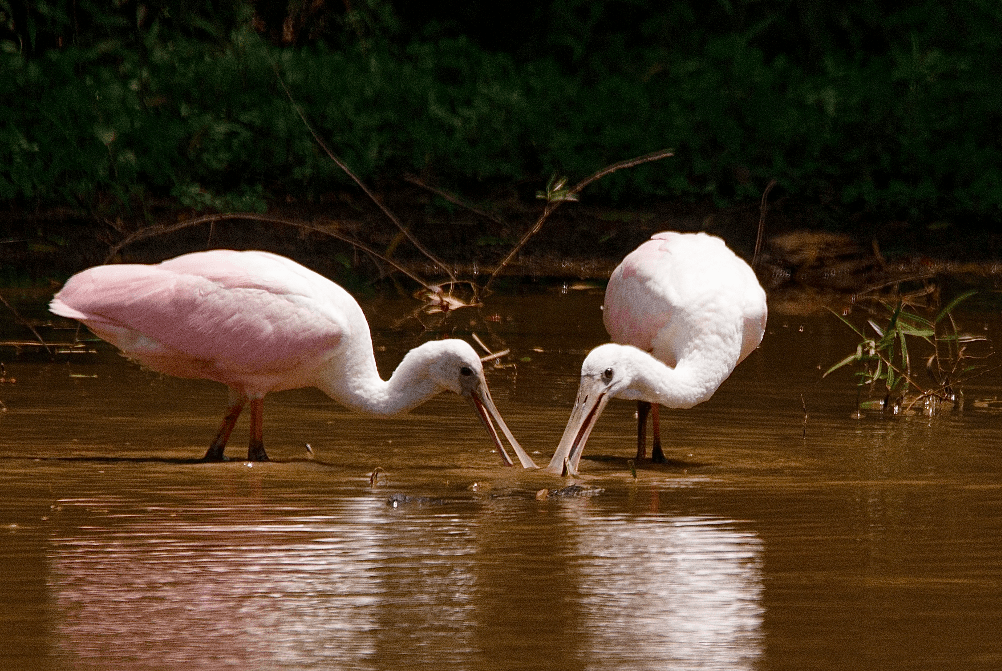
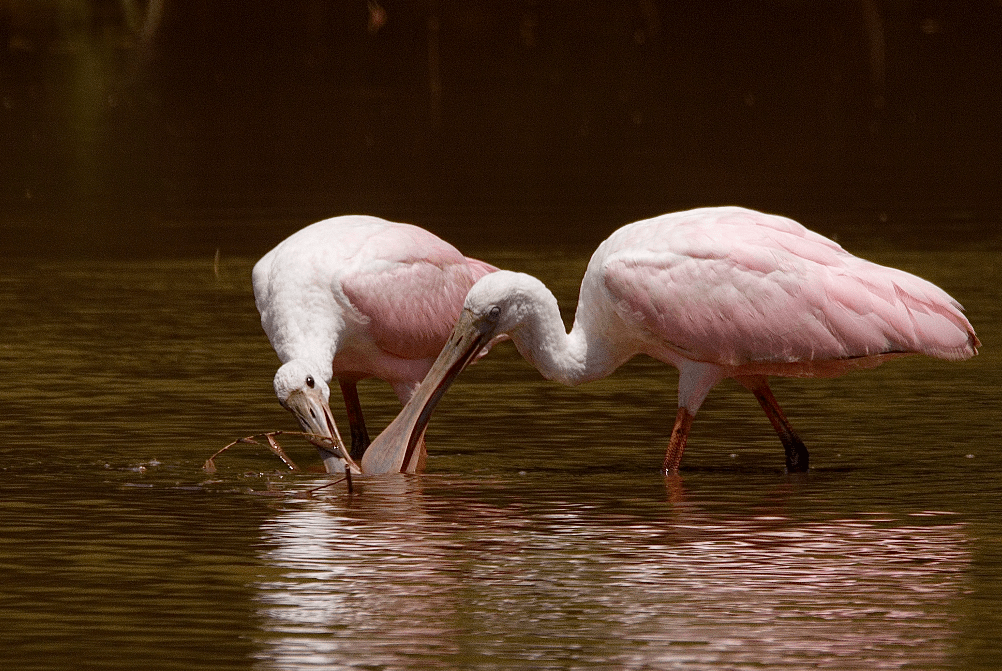
Yesterday I received a rare bird notification from @eBird that a pair of Roseate Spoonbills had been spotted at Lake Lynn in Raleigh NC so I decided to go see if I could get a look at them with my friend Corie @calatta
We met up an hour later in the southern parking lot and walked to the north end of the lake where we were happy to find these beautiful birds hunting for a snack in the shallows with a Little Blue Heron
Nice to get a win so easily!


Roseate Spoonbills are normally found in southern Florida and along the coast of Texas during the summer which is why it was so unusual to find these two at Lake Lynn.
That being said, sightings of Spoonbills here in North Carolina have been on the increase in recent years though most of those have occurred in our southern coastal regions.


These lovely birds are best spotted in marshy areas foraging for a meal in the water or mudflats.
Sweeping their namesake spoon-shaped bill side to side in the shallow water, the Spoonbills mouth is partially open as their bill probes into the mud. When they stir up a fish or invertebrate, they’ll clamp that bill shut to capture their prey.
Their diet mainly consists of minnows, but they’ll also eat shrimp, crayfish, crabs, aquatic insects, mollusks, and slugs. Spoonbills will also snack on plants including the roots and stems of sedges.

I have no idea how long these two will stick around the Triangle for so if you can get out within the next day or two you might be able to find them as well.
For reference, I’ve included a Google Map pin drop showing the exact location of these birds at the north end of Lake Lynn (as of yesterday & today) to the end of this post.
Hope you are able to see them too!
Happy birding!
-Sally

Photos & Video by @sally_siko of @birdwatching_nc on the full frame beast of an SLR, the mighty @canonusa
#5Ds

By the way, check out the video of the Roseate Spoonbills in the Instagram version of this post below!

Rare N.C. Bird News: Sandhill Cranes spotted at Pungo Lake

By: Sally Siko- Admin Birdwatching N.C.

Spotted a small group of Sandhill Cranes preening among a flock of Tundra Swans yesterday morning at Pungo Lake in the Pocosin Lakes NWR.
I’ve never seen one in the wild before so it was thrilling to finally have a chance to photograph them. So awesome to get another lifer!

Sandhill Cranes Pungo Lake, N.C.


Scientists believe that ten million years ago, birds similar to these were found to be structurally the same as modern Sandhill Cranes. Today, these beautiful birds are found throughout in North America. Their range extends from Mexico, through the United States and as far north as Siberia.
Despite the widespread occurrence of the species in the Western Hemisphere, they are not commonly found here in North Carolina.
It was wonderful to add one more “rare” bird species to my eBird list as the year draws to a close 🙂

Sandhill Cranes are omnivorous and will dine on items such as lizards, small rodents, frogs and insects, as well as vegetables, such as bulbs, roots, grains and seeds.
The ones I photographed here seemed to split up their time between preening and foraging for food in the mudflats along the shoreline.

Six Sandhill Cranes preening at Pungo Lake, N.C.


This small flock of birds may have hit the jackpot by choosing to spend a few weeks this winter here at Pungo Lake.
In addition to hosting a variety of small lizards and rodents on site, the lake is surrounded on all sides by wide open fields of cut corn stalks, with plenty places available for the Cranes to feed on spilt grain on acres of vast agricultural fields.
I hope they stick around for a little while longer so that my fellow N.C. birders have the opportunity to see them before they head out!

Photos by @sally_siko of @birdwatching_nc
Canon 5Ds

Here is a map showing where the Sandhill Cranes were sighted in a small flooded out field on the western side of the lake…