Tag Archives: lake lynn

A Chipping Sparrow at Lake Lynn in Raleigh

By Sally Siko

With autumns arrival, we’ve had a nice stretch of weather in central N.C. Now is one of the best times for getting outdoors to go birding in search of migrating warblers but don’t forget about our year round feathered gems too!This Chipping Sparrow made an appearance in a shallow creek last week at Lake Lynn in Raleigh.
Splashing and fluttering, the bird took its time lingering in the water.
Much to my delight it didn’t seem to mind the fact that there were 4 happy birders snapping photos nearby lol!


These delightful little sparrows are found in a wide variety of open woodland habitats in both their winter and breeding ranges across NC.This is somewhat of an unusual trait as most sparrows which are found mainly in grassy fields.
They are a common sight here in the Raleigh area, especially during the winter months when they come out of the woods and into our yards in search of an easy meal at the feeder.

Photos by @sally_siko of @bestlife_birding captured on my mighty mirrorless monster, the @canonusa #R5

Late season Ruby-throated Hummingbirds in central NC

-Sally Siko

A familiar backyard bird to many here in the Carolinas, Ruby’s are best found feeding on clusters of red or orange flowers such as coral honeysuckle, bee balm, red buckeye, trumpet creeper, and red morning glory. I spotted quite a few of them hovering over patches of Jewlweed flowers last month while birding at Lake Lynn in Raleigh.
One of smaller hummers decided to get territorial with a nonchalant Downy Woodpecker too lol!
Why the hurry and bird drama you might ask?
With migration underway the birds are in a mad dash to pack on the calories needed to power their long journey south.


Now that autumn as arrived, I’m often asked the question of “when should I take down my Hummingbird feeders?” Usually this is posed out of the concern that leaving your feeder out “too long” would tempt the birds into not migrating south for the winter.
The truth is that there’s no need for concern that the birds would delay their migration and get caught by winter. The reason why is because it’s not the lack of food that tells a hummingbird when to go south. It’s the bird’s internal biological calendar, or circannual rhythms. In fact, most Hummingbirds species start migrating while food is still plentiful. This strategy ensures that they will always have a good source available along every step of the way on their journey south.
So, my advice is to leave your feeders up as long as hummingbirds are visiting them. Once you’ve noticed that they are gone, leave it up an additional week, just in case a straggler comes through.

Photos by @sally_siko of @bestlife_birding captured on my mighty mirrorless monster, the @canonusa #R5

Magnolia Warblers at Lake Lynn in Raleigh NC

By Sally Siko

Here’s a bird I was pleased to find while birding at Lake Lynn in Raleigh, North Carolina earlier this month, the Magnolia Warbler.
It took some patience to photograph this bird as it hunted for a meal in the dark canopy of the forest. I was thrilled when the bird spied a green caterpillar and plucked it off of the leaf in reasonably good light.
I’ve been trying to get a proper photograph of the species for years with no success, and although these photos are heavily cropped, I’ll take this as a win today lol!

The breeding range of the Magnolia Warbler extends across the southern half of Canada and into the northern half of the United States east of the Mississippi. They are also known to nest in small numbers in the Appalachian mountains of Western, North Carolina, and Virginia.
That being said, typically they’re most commonly found in NC during migrational periods in the central and western regions of the state.

With autumn migration in full swing, now is the perfect time to get out there and find these birds.
These guys are truly stunning birds and easier to ID than most other warblers flying around this time of year.
Look for that bright yellow belly streaked with black lines, two white wing bars and that white eye ring.
Although they nest in stands of conifers, during the autumn, they are best found in the canopy or mid-story of hardwood forests and edges.
The Magnolia Warbler will be here through early October before departing for destinations in Mexico, central America, and the West Indies to spend the winter.

Photos by @sally_siko of @bestlife_birding captured on my mighty mirrorless monster, the @canonusa #R5

Rare Bird Alert North Carolina: Roseate Spoonbills spotted in Raleigh at Lake Lynn

By: Sally Siko- Admin Birdwatching NC

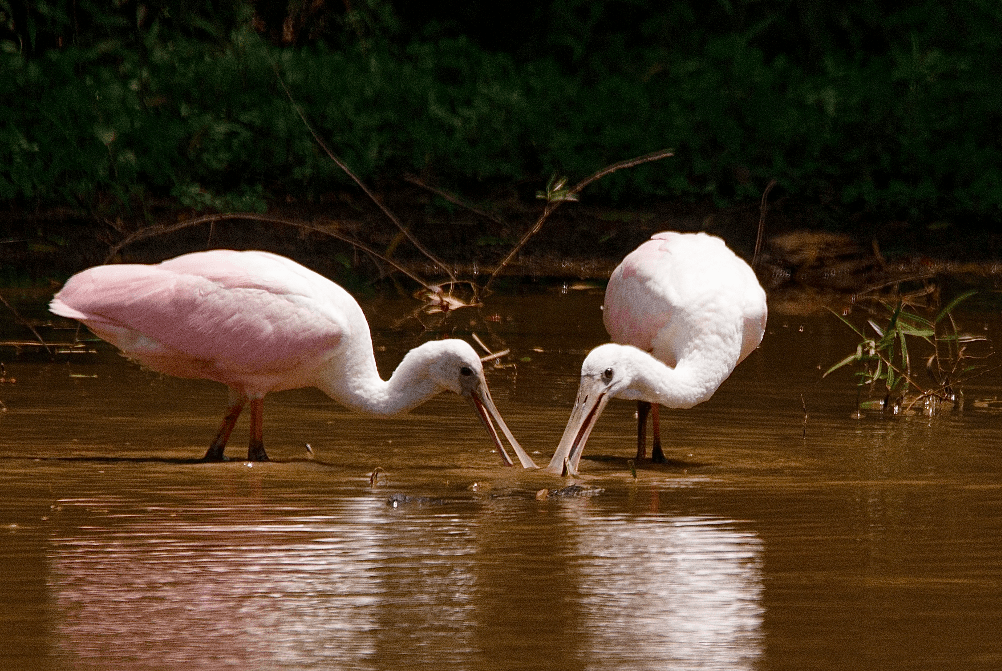
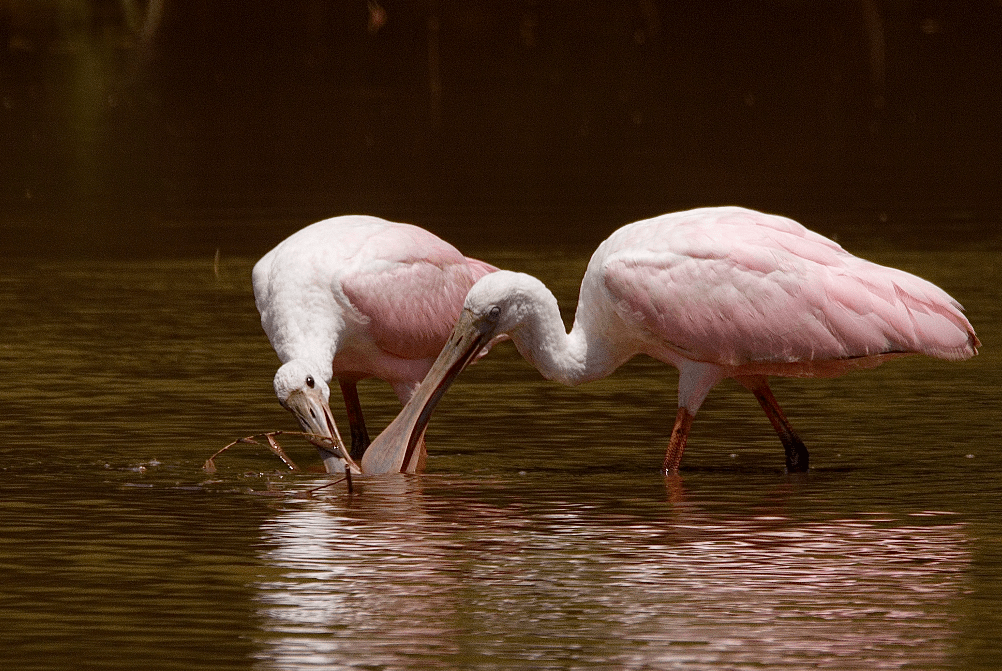
Yesterday I received a rare bird notification from @eBird that a pair of Roseate Spoonbills had been spotted at Lake Lynn in Raleigh NC so I decided to go see if I could get a look at them with my friend Corie @calatta
We met up an hour later in the southern parking lot and walked to the north end of the lake where we were happy to find these beautiful birds hunting for a snack in the shallows with a Little Blue Heron
Nice to get a win so easily!


Roseate Spoonbills are normally found in southern Florida and along the coast of Texas during the summer which is why it was so unusual to find these two at Lake Lynn.
That being said, sightings of Spoonbills here in North Carolina have been on the increase in recent years though most of those have occurred in our southern coastal regions.


These lovely birds are best spotted in marshy areas foraging for a meal in the water or mudflats.
Sweeping their namesake spoon-shaped bill side to side in the shallow water, the Spoonbills mouth is partially open as their bill probes into the mud. When they stir up a fish or invertebrate, they’ll clamp that bill shut to capture their prey.
Their diet mainly consists of minnows, but they’ll also eat shrimp, crayfish, crabs, aquatic insects, mollusks, and slugs. Spoonbills will also snack on plants including the roots and stems of sedges.

I have no idea how long these two will stick around the Triangle for so if you can get out within the next day or two you might be able to find them as well.
For reference, I’ve included a Google Map pin drop showing the exact location of these birds at the north end of Lake Lynn (as of yesterday & today) to the end of this post.
Hope you are able to see them too!
Happy birding!
-Sally

Photos & Video by @sally_siko of @birdwatching_nc on the full frame beast of an SLR, the mighty @canonusa
#5Ds

By the way, check out the video of the Roseate Spoonbills in the Instagram version of this post below!