Category Archives: Birding Trips and Tours North Carolina

Best Life Birding Trips

Guided Group Birding Tours & Bird Photography Workshops

Birders and bird loving photographers of all skill levels are invited to join me, Sally Siko as we explore the trails, woods, fields and shorelines of United States & beyond in search of interesting birds. I offer guided group tours in North Carolina, South Carolina, New Jersey and Maine, There are so many great birds to see throughout the year so check back on this page often to see new trips which are posted monthly!

Private birding tours in North & South Carolina are also available for reservation to best suit your needs and schedule! For more information please contact me via email at sallysiko@birdwatchingnc.com or call/text (919) 449-7331 to book a private trip.
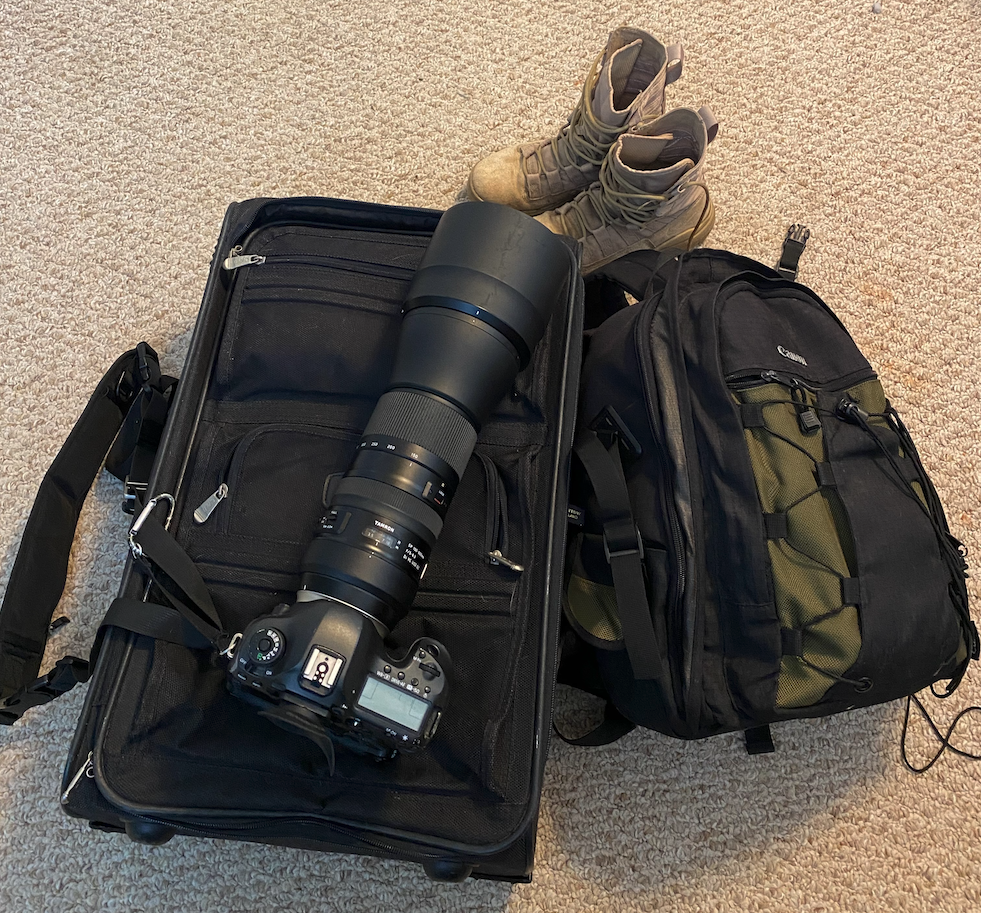
Pack your bags, let’s go birding!!!!

CLICK ON THE LOCATIONS BELOW FOR SPECIFIC TOUR DETAILS OR KEEP SCROLLING DOWN TO VIEW THE BEST LIFE BIRDING TRIP CALENDAR

BIRDING TOURS AT HUNTINGTON BEACH STATE PARK, SC

BIRDING TOURS AT LAKE LYNN IN RALEIGH, NC

BIRDING TOURS THE OBX NORTH CAROLINA

BIRDING TOURS ON THE CAPE FEAR RIVER, NC

BIRDING TOURS IN THE SANDHILLS OF NC

BIRDING TOURS CAPE MAY, NJ

PAINTED BUNTING BIRDING TOURS IN WILMINGTON NC

BIRDING TOURS IN MAINE

BIRDING TOURS AT CAPE FEAR SHINERS PARK, NC

BIRDING TOURS AT PINCKNEY ISLAND, SC

BIRDING TOURS AT WEYMOUTH WOODS, NC

BIRDING TOURS AT THE PEE DEE NWR, NC

BIRDING TOURS IN CHAPEL HILL, NC

BIRDING TOURS AT HIGH ISLAND TX- Coming soon

BIRDING TOURS AT SAX- ZIM BOG, MN – Coming soon

Below is Best Life Birding’s current schedule of available group bird watching tour dates for 2024 & 2025. 

BOOK YOUR DATE TODAY AS SPACE IS LIMITED ON SMALL GROUP TRIPS, GIFT CARDS ARE AVAILABLE TOO!

BEST LIFE BIRDING TOUR CALENDAR

Browse tour locations by date.

Don’t see a date you’re interested in?

Call or text me (Sally Siko) to set up a tour that suits your needs best.

(919) 449-7331

sallysiko@birdwatchingnc.com

Click the trip name below to see our birding tour information by locations.


NEED A LONG LENS FOR THE TRIP?

A set of binoculars or camera lens of at 200mm or more is recommended for each guest during my birding tours. If you don’t own a zoom lens, you can rent one at Lensrentals for your Canon, Nikon or Sony camera below. Renting is surprisingly affordable and easy and they’ll ship the lens to your door within a couple of days!

USE PROMO CODE BWNC15 AT CHECKOUT TO SAVE 15% ON YOUR PHOTOGRAPHY EQUIPMENT RENTAL AT LENSRENTALS.COM



PHOTOGRAPHY WORKSHOPS

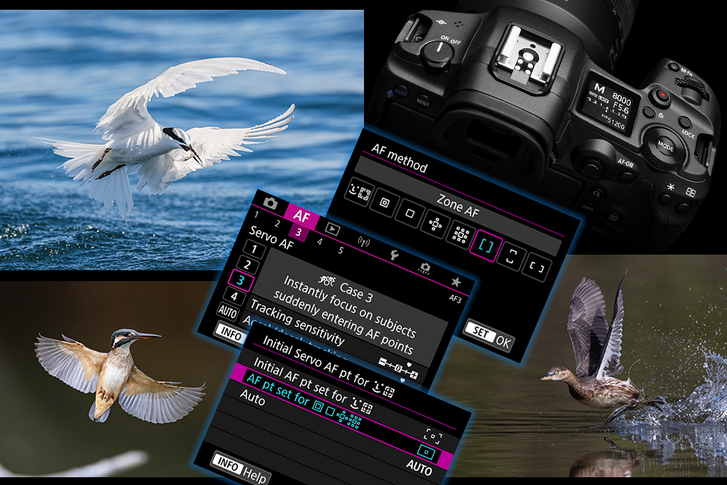
Canon Users: Just got a new camera and want to learn how to use it? I offer photography workshops where I’ll teach you the basics of getting started with bird photography. We will spend about 1 hour on the field where you’ll receive one on one instructions on how to start using the manual mode on your camera and ways you can get better bird photos going forward.

*Canon users only. Nikon classes coming soon!

* Private Canon camera photography classes with flexible date reservations are available in the Raleigh NC area per request. Email Sally Siko at sallysiko@birdwatchingnc.com or call/ text (919) 449-7331 for booking information.


BIRD WATCHING TRIP INFORMATION & LINKS

* Private group trips with flexible date reservations are also available per request. Email Sally Siko at sallysiko@birdwatchingnc.com or call/ text (919) 449-7331


Prothonotary Warblers change their color

By Sally Siko

Eastern Towhees in the Sandhills of Nc

By Sally Siko

To avoid today’s expected traffic onslaught for the US Open golf tournament, I left about an hour early this morning to lead a birding tour in the Sandhills.
Surprisingly I had no issues with traffic so I’m sitting here at the birding spot waiting for my guests to arrive.
It’s a quiet morning with only the cheerful calls of an Eastern Towhee calling nearby to break the solitude.
Not a bad way to start the day!


These birds are a common sight in many parts of eastern North America and are often heard before they are seen due to their distinctive song of “drink-your-tea!” and that sharp “chewink” call.
As you can see by these photos which I took in my backyard earlier this week, male Towhees are striking with their black upperparts, white bellies, and rufous sides. Females are just as lovely but sport brown upperparts instead of black.


Now that the breeding season is underway, the males have become very territorial and will sing from prominent perches to establish and defend their turf.
Their nests are often well-hidden in dense brush or among fallen leaves, providing camouflage from predators. Nests are typically constructed with grass, leaves, and bark, lined with finer, soft materials like hair and feathers.
Both parents will be involved in feeding the chicks, though the female does most of the incubation. After hatching, the chicks will fledge the nest in about 9-12 days but remain under parental care for several more weeks.
Soon the next generation of Eastern Towhees will be seen skulking through the brush in search of a snack 🙂

The Eastern Towhee is a year round resident of NC and may be found throughout all 100 counties from the higher elevations of the mountains in the west to the scrub oak forests in the coastal regions.
Look for them in overgrown fields, tangled thickets, dense areas in the woods, under the shade of residential shrubbery, along forest edges and in other fairly brushy places.
Aren’t the beautiful?

Photos by @sally_siko of @bestlife_birding on my mighty 50 megapixel monster, the @canonusa #5Ds

Blue Grosbeaks in central NC

By Sally Siko

Here’s a bird I’ve been waiting all spring to photograph, the Blue Grosbeak.
I’d already seen several this year, but hadn’t had an opportunity to capture a nice photo of one of these beautiful feathered gems.
Luckily I spotted a pair of Blue Grosbeaks earlier this week while birding at Suggs Farm in Holly Springs NC. These two were most cooperative as they went about their business of hunting for insects in a couple low saplings at close range.
Aren’t they lovely?


As you can see in this series of photos, male Blue Grosbeaks are a vivid deep blue with chestnut wing bars, while females are mostly a golden brown with subtle blue tinges.
Like their close relative the Northern Cardinal, they have a strong, conical shaped beak which is perfectly adapted for cracking seeds. During the breeding season, they consume more insects, such as grasshoppers, caterpillars, and beetles, providing essential protein for their chicks.
Outside the breeding season, seeds from grasses and other plants become a significant part of their diet. They are also fond of snacking on fruits and grains when insects are scarce.


During the spring and summer months, these guys are best spotted in open areas alongside woodland edges, riparian areas, and in brushy fields with dense clumps of vegetation for nesting.
The Grosbeaks can be found throughout all 100 counties of NC from now through the second week of October, so you still have got plenty of time to find one before the year is through.

Photos by @sally_siko of @bestlife_birding on my mighty 50 megapixel monster, the @canonusa #5Ds

An American Oystercatcher encounter in Wrightsville Beach, NC

By Sally Siko

Each spring I look forward to catching up with a pair of American Oystercatchers who nest on Wrightsville Beach in southeastern NC.
This year I was delighted to see that the birds had returned to their favorite spot on the beach to raise their family.
They are ground nesters, often creating simple shallow scrapes in sandy or gravelly areas. Soon the hen will lay 2-4 eggs, and both parents will participate in incubating the eggs and caring for the chicks.
Although I didn’t see any youngsters on last weeks trip, I’m hopeful to find them scurrying on the sand next month.


Easily recognizable by their bright orange-red bills, yellow eyes, and striking black and white plumage, these birds are typically found along coastal regions from the eastern United States down through Central America and into northern South America.
They prefer to hunt for a meal on both sandy shorelines and rock jetty’s but can also be spotted on mudflats, and in salt marshes.
As their name suggests, American Oystercatchers primarily feed on mollusks, particularly oysters, clams, and mussels. They use their strong bills to pry open or hammer at the thick shells, then will gulp down their slimy meal while moving on to the next spot.


Though these handsome birds are a year round resident of NC, some populations leave the northern coastline during the autumn to head to the southern coast to spend the winter.
This means that from the OBX to Southport, you’ve still got plenty of time to get out there and find one anywhere along North Carolina’s beaches this summer.

Photos by @sally_siko of @bestlife_birding on my mighty 50 megapixel monster, the @canonusa #5Ds

A Common Nighthawk encounter at Carolina Beach State Park

By Sally Siko

Stoked to finally lay eyes on the Common Nighthawk that I was looking for a couple of days ago!
I spotted him this afternoon while leading a birding tour in southeastern North Carolina.
It took about 45 minutes of walking through an open forest in sweltering heat, listening for it’s calls while dodging bugs and squinting into the sunlit canopy to finally see this little bird who was pancaked out on a pine bough.
It was a weird mix of elation and relief the moment I saw the bird as I’d been getting worried that I’d skunk out a sighting again lol!
Thank goodness the Nighthawk was in the same area as before so that I could share this hard-to-find feathered gem with my client 🙂


So why is the Common Nighthawk so hard to see?
Well, they’ve got a cryptic plumage pattern which aids in blending in with their surroundings thus rendering them nearly invisible during the day.
As you can see by these photos, their feathers are mottled with gray, white, buff, and black patches, plus they often will sport splotches or bars of these colors over a black base.
The Nighthawks’ epic camo plumage helps them disappear into backgrounds of leaves, bark, and grass and as was the case with this bird, they can also look like a branch stump or leaf cluster when they sit parallel to a branch.
Luckily, these birds are quite vocal even during the day, so the best way to locate them is listen for their distinctive buzzy-meep calls in the woods.


The Common Nighthawk is a spring and summertime resident of North Carolina.
They are best found hunting near dusk and at night, well above the ground, most often over dry scrubby habitats.
In suburban areas they can also be spotted flying at night over brightly lit stadiums/ ballfields and chasing insects above shopping center parking lots.
They’ll stick around the Tarheel state until early September so you’ve still got plenty of time to go find one too!

Btw, I’ve got a ton of fun group birding trips in North Carolina, South Carolina, Maine and New Jersey open for booking from now through December.
Check out the calendar below and book your next birding adventure with me today!


Photos by @sally_siko of @bestlife_birding on my mighty 50 megapixel monster, the @canonusa #5Ds

A Great-horned Owl encounter at Carolina Beach SP

By Sally Siko

Bird no. 260 for my yearly list was a Common Nighthawk.
As you can see here though, this is a Great horned Owl not a Nighthawk.
So why am I sharing this photo?
Here’s the story.
A few days ago, I had received a tip that there was a roosting spot for nighthawks at Carolina Beach State Park so I went out this weekend to see if I could lay eyes on one.
When I arrived to the site, I heard three Nighthawks calling in the trees, a good sign so I set off into the forest to find them.


As I was walking through the woods I noticed a flock of Brown headed Nuthatches were angrily fussing at something high up in a long leaf pine, right at the exact spot where the Nighthawks were reported.
Creeping quietly up to the tree, I peered up into the canopy and spied a sleepy / grumpy Great horned Owl gazing down at me.
The poor bird was just trying to take a nap but was bombarded constantly by angry nuthatches swooping in like gnats at a picnic.
Although I was thrilled to see this handsome owl it was clear that I’d not see a Nighthawk anywhere nearby this sleepy predator.
Sigh.
I ended up spending another hour walking a grid through the area (away from the owl) in search of the Nighthawks.
Although I heard the birds squeaky- buzz calling a few more times, their camouflage made it impossible to actually see one so I left without a photo.
Its ok, I’ll get a Nighthawk photo someday for sure, after all good things come to those who wait 🙂
Plus there’s no way I’d ever be unhappy with an owl encounter lol!


These formidable raptors are found across a wide range of habitats in the Americas, from the Arctic treeline in North America to the subtropical regions of South America.
Here in North Carolina they are a familiar sight to many folks living in suburban and rural areas, favoring open to medium-growth pine forests, or mixed forests, preferably in dry areas, leaving the wetlands to the Barred Owl instead.
They are a year round resident so be on the lookout for these large birds wherever you roam throughout the state.

Btw, I’ve got a ton of fun group birding trips in North Carolina, South Carolina, Maine and New Jersey open for booking from now through December.
Check out the calendar below and book your next birding adventure with me today!


Photos by @sally_siko of @bestlife_birding on my mighty 50 megapixel monster, the @can

Enjoying the Eastern Kingbird in central NC

By sally Siko

Delighted to see that the Eastern Kingbirds have returned to NC for the summer. I spotted this lovely feathered gem while birding at Lake Lynn in Raleigh last week.
Watching it flit from limb to branch while it searched for a snack was quite entertaining. Every now and again the Kingbird would fly out of the tree to hover in mid air like a hummingbird as it gleaned for the light reflecting off of insect wings hidden in the leaves.
Though they do consume fruit during the winter time, insects make up to 85% of the diet from May to September, including bees and wasps, beetles, grasshoppers, bugs, and flies.


At one point the bird flew down low, curiously tilting its head as if it was trying to figure out what I was doing there watching him.
We spent a few minutes eyeballing one another as the Kingbird relaxed and started preening until an insect buzzed by which set the bird off in hot pursuit of its breakfast.

Nesting in all 100 counties, the Eastern Kingbird is familiar sight to many folks living in the suburbs and rural agricultural areas of NC. They are most often spotted perching on wire fence lines as well as on bare branches near the tops of trees overlooking fields and other open spaces particularly in areas near water.
They’ll stick around the Tarheel state through late September so you’ve still got plenty of time to see one before the year is through.

Btw, I’ve got a ton of fun group birding trips in North Carolina, South Carolina, Maine and New Jersey open for booking from now through December.
Check out the calendar below and book your next birding adventure with me today!


Photos by @sally_siko of @bestlife_birding on my mighty 50 megapixel monster, the @canonusa #5Ds

The Least Terns have returned to nest at Wrightsville Beach NC

By Sally Siko

One of the most interesting birds to watch during the spring is the Least Tern. I spotted these beauties while leading a bird tour last month in southeastern NC.


Now that the breeding season is underway, flocks of these tiny feathered gems are nesting on our beaches, tending to their precious clutch of tan spotted eggs and feeding their newly hatched young.
It’s a flurry of activity at the nesting sites with parents flying back and forth between the ocean and their waiting mates bringing them food and warding off intruders.
The chicks are tiny little things with big heads and fluffy bodies covered in fine downy feathers. What the chicks lack in size they make up for in appetite as they greet their hard working parents with open mouths and furious squeaks.
It’s astonishing to think that something so small and helpless will grow up to be so feisty as adult Least Terns can be quite aggressive when defending their territory.


Weighing in at just 1.9 oz and measuring about 8.5” inches long, Least Terns are the smallest species of tern in North America.
Their range stretches along the west coast from California down into Mexico as well as from the coast of Massachusetts down through Florida, the Caribbean and the Gulf coast of Texas.
These little guys rarely stray inland preferring to stick around the beach’s where they can easily hunt for fish in the shallow waters of the ocean shoreline.
They’ll stick around North Carolina through September so you’ve got plenty of time to enjoy these beauties before the year is through.


Btw, I’ve got a ton of fun group birding trips in North Carolina, South Carolina, Maine and New Jersey open for booking from now through December.
Check out the calendar below and book your next birding adventure with me today!


Photos by @sally_siko of @bestlife_birding on my mighty 50 megapixel monster, the @canonusa #5Ds

Summertime Barn Swallows in North Carolina

By Sally Siko

Here’s a bird that I always enjoy seeing each summer, the Barn Swallow.
I spotted this little beauty last week while birding at Lake Lynn in Raleigh, North Carolina.
Normally it’s tough to get a detailed view of one since 99% of their time is spent zipping in the air at approximately a zillion miles per hour.
It was so cool to see the swallow up close as it preened and fluffed while perched on a twig right along side the boardwalk lining the lake.
I love how that gorgeous iridescent blue plumage sparkled in the morning sun.
Truly a magnificent bird imo 🙂


With a range stretching from the mountains to the coast, the Barn Swallow is a familiar sight to many across the state of North Carolina.
With the breeding season underway, pairs of swallows are busy building their nests in preparation of the chicks to come.
Their nests are constructed of mud and straw and are usually placed under bridge abutments and below the eaves of buildings.
Sometimes pairs of swallows will reuse the same nesting site year after year.
When this happens they’ll usually build a new nest right on top of the previous years construction, stacking and shaping the mud structure until it’s fit for a new season ahead.


Few birds can batch the elegance or grace of a Barn Swallow in flight.
Indeed they are masterful pilots spending most of their life on the wing. In fact, they eat, mate and even feed their young while in flying which is pretty remarkable when you think about it.
It isn’t just their agility in the air which is notable though, these tiny birds have incredible endurance since they are capable of traveling 600 miles or more in a day. A truly astonishing stat considering their diminutive size.
These beauties will stick around the Tarhill state until early October so you’ve got plenty of time to see one before the years through.

Btw, I’ve got a ton of fun group birding trips in North Carolina, South Carolina, Maine and New Jersey open for booking from now through December.
Check out the calendar below and book your next birding adventure with me today!


Photos by @sally_siko of @bestlife_birding on my mighty 50 megapixel monster, the @canonusa #5Ds